

Galileo: satellites 13 and 14 launched successfully

Kourou  24 May 2016

Satellites 13 and 14 of the European Galileo navigation programme were launched successfully by Arianespace at 10:48 CET (5:48 local time) aboard a Soyuz rocket. The launch took place from Europe's Spaceport in Kourou, French Guyana.

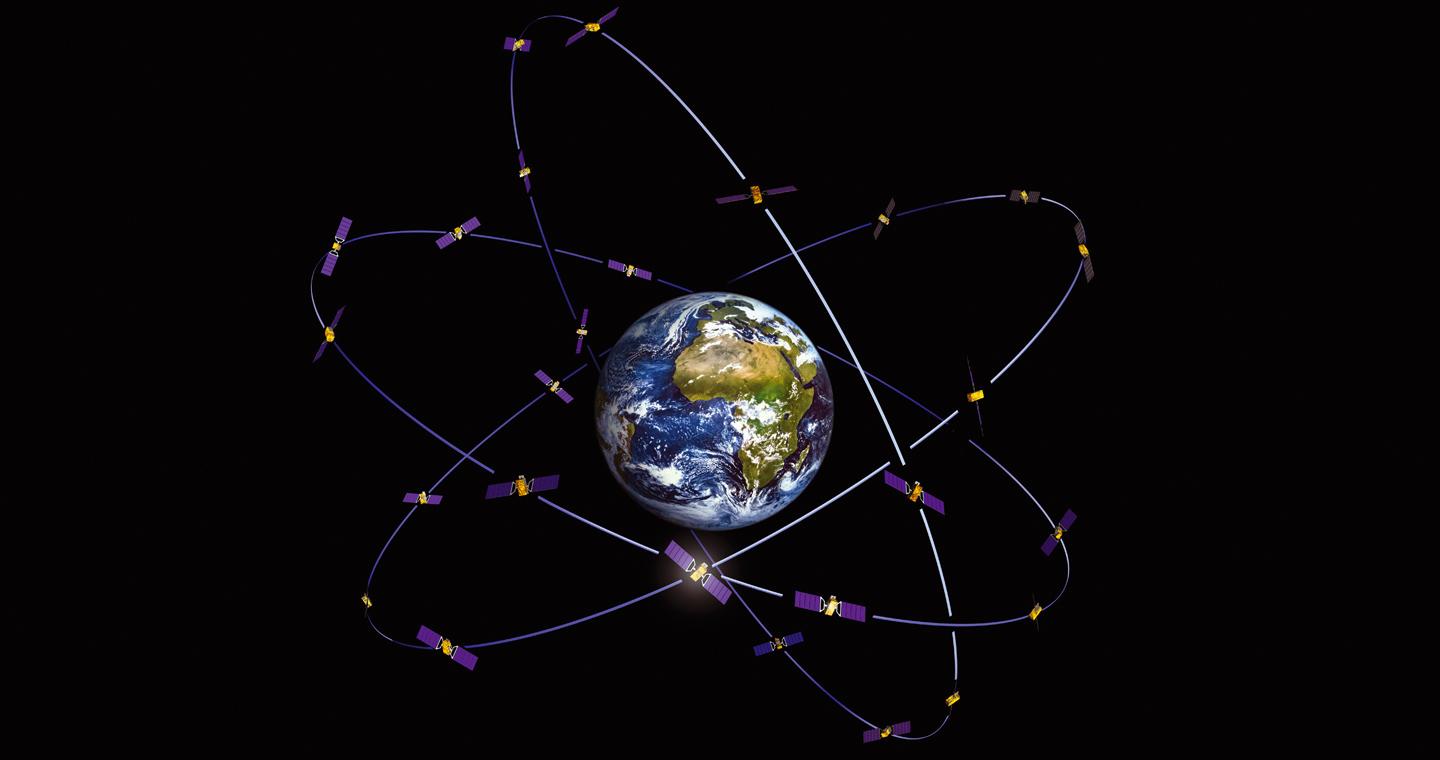
Upon putting them into orbit, the new satellites will reach their final orbit at a distance of 23,222 kilometres from Earth.

By the end of 2016 an Ariane 5 ES launcher version will carry four additional satellites for the Galileo constellation.

Italy has a key role in the development of the Galileo programme through the Italian Space Agency (ASI) and through the involvement of national industry, in particular of Finmeccanica-Leonardo, Telespazio and Thales Alenia Space.

In particular, Telespazio plays a leading role in Galileo, having created at the Fucino Space Centre one of the two Control Centres that manage the constellation and the programme mission. In addition, through Spaceopal - joint venture company formed with DLR/GfR - Telespazio is responsible for mission operations and the related security activities, providing the management and delivery of the navigation message.

After launch, the Galileo Control Centre in Fucino is involved in the IOT activities (In Orbit Test) of the programme, to verify the functionality and performance of the payload on board the satellites, and the subsequent addition of the new satellite to the mission operations.

During the launch operations, an important role is played by Telespazio France, which supports the CNES and Arianespace from Toulouse and Kourou in managing the Launch Centre in Guyana, in the launch and putting the satellites into orbit.

Telespazio VEGA Deutschland is highly involved in Galileo in many aspects. Throughout the company, around 35 people are contributing to the programme, among others in the ESOC Navigation Facility.

Telespazio is involved in the validation phase of the programme's early services and in the implementation of applications based on Galileo, which will encourage the development and dissemination of innovative services in multiple sectors: transport, telecommunications, geodesy, oil exploration, and mining.

The Galileo programme is a collaboration of the European Union with the European Space Agency (ESA) to improve the technological independence of Europe and to define international standards for global satellite navigation systems. The purpose of the programme is the creation of a satellite navigation system capable of providing a reliable and high-precision global positioning service for all types of civilian applications, including aircraft systems, including remote piloted aircraft (drones).

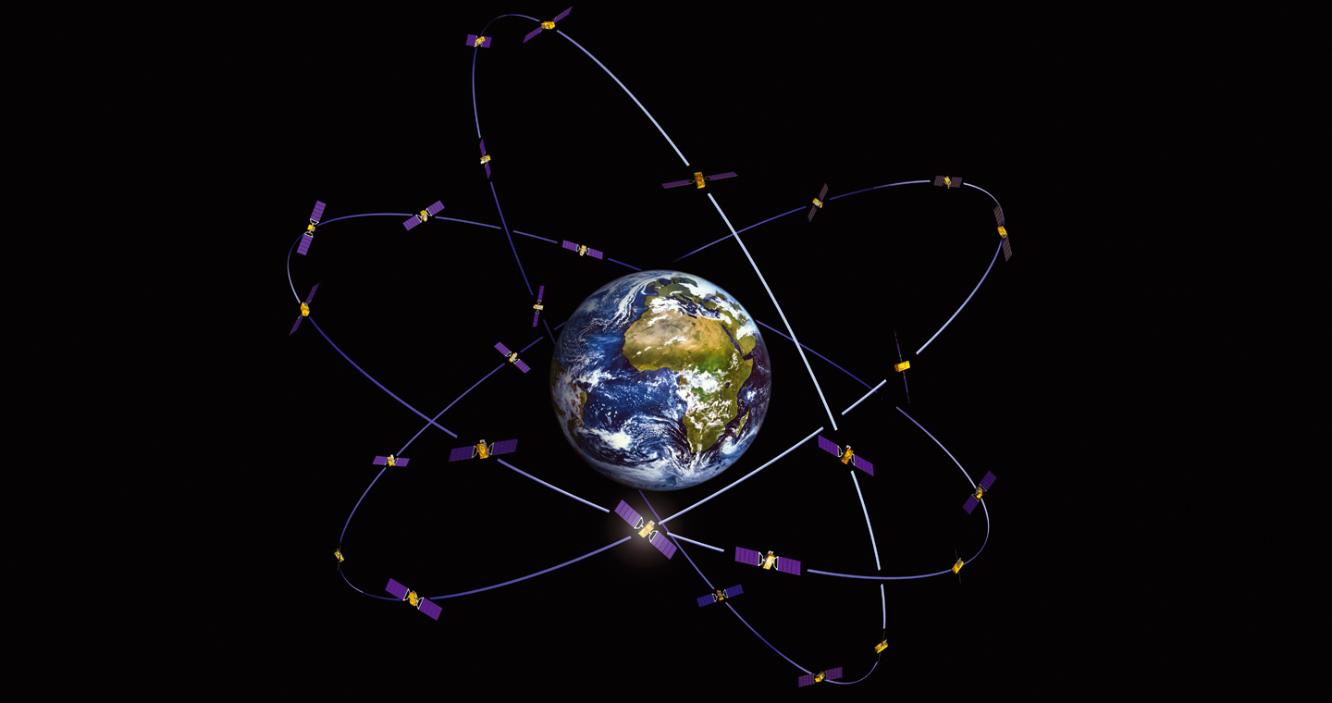
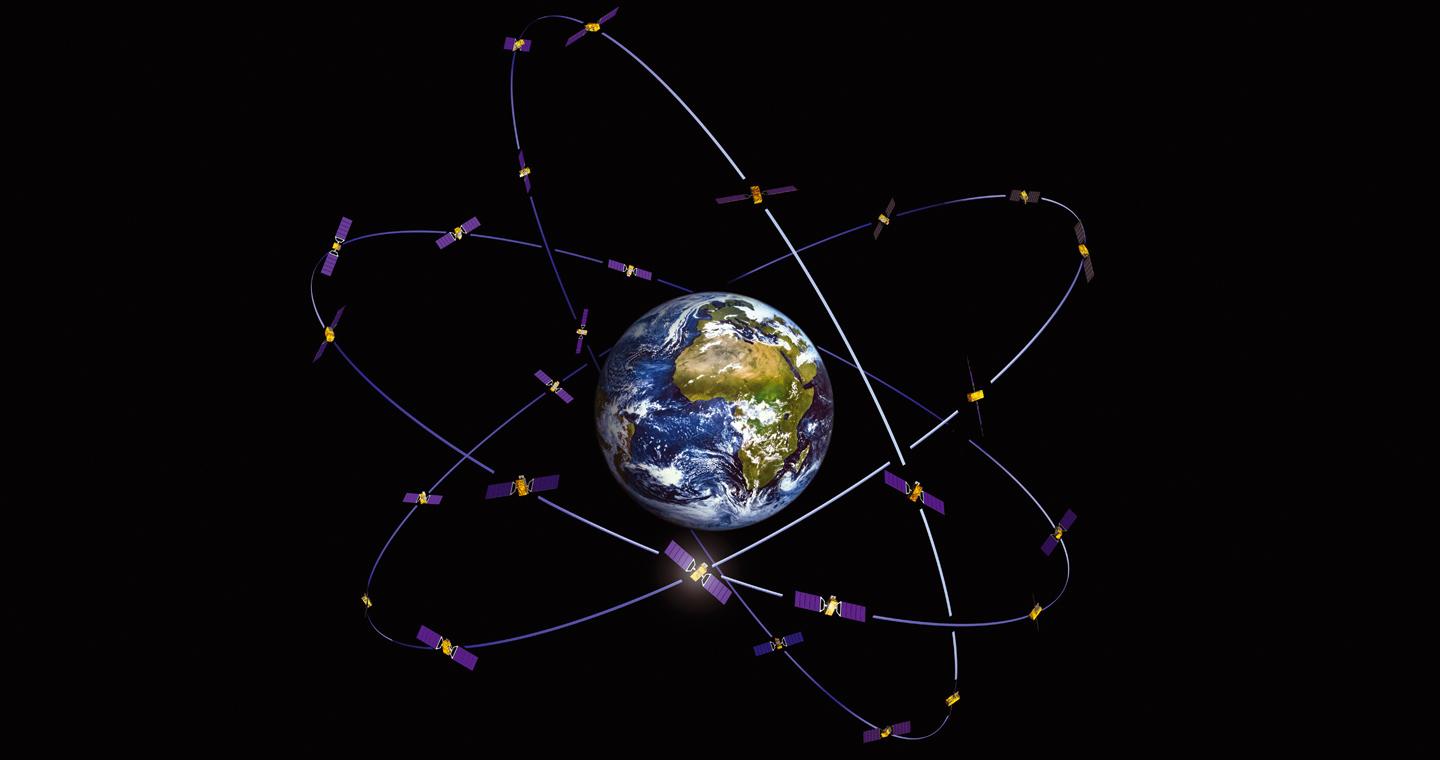
Once completed, the Galileo constellation will consist of 30 satellites (27 operational and 3 spares), although 24 will be enough to make the European satellite navigation network fully operational.

Other News & Stories

26.01.2026
Leonardo and Telespazio at the 18th European Space Conference

Leonardo and Telespazio will once again take part in the 18th edition of the European Space Conference, scheduled to take place in Brussels on 27–28 January, together with e-GEOS.

19.01.2026
First look at Earth from the COSMO-SkyMed FM3 satellite

Just days after launch, the first images are received from the third satellite of the second generation of the Earth Observation programme promoted by the Italian Space Agency and the Ministry of Defence, involving national industry with Leonardo, Thales Alenia Space, Telespazio and e-GEO

17.12.2025
Two New Galileo Satellites Successfully Launched

Two new first-generation Galileo satellites, numbers 33 and 34, were successfully launched today aboard an Ariane 6 launcher at 06:01 (CET) Italian time from Europe’s Spaceport in Kourou, French Guiana. Galileo is Europe’s global satellite navigation system, developed by the European Union with the technical and industrial support of the European Space Agency (ESA).

16.12.2025
Love Planet Earth 2026: the Calendar by Leonardo, e-GEOS, Telespazio and Med-Or Italian Foundation on agriculture in the Mediterranean

On the occasion of 2025 Italian National Space Day, Leonardo, with e-GEOS (a joint venture 20% owned by the Italian Space Agency and 80% by Telespazio, Leonardo Group) and Telespazio (67% owned by Leonardo and 33% by Thales) present the eighteenth "Love Planet Earth" calendar, representing environmental sustainability through images taken by the COSMO-SkyMed satellites operated by the Italian Space Agency and the Italian Ministry of Defence.

26.01.2026
Leonardo and Telespazio at the 18th European Space Conference

Leonardo and Telespazio will once again take part in the 18th edition of the European Space Conference, scheduled to take place in Brussels on 27–28 January, together with e-GEOS.

19.01.2026
First look at Earth from the COSMO-SkyMed FM3 satellite

Just days after launch, the first images are received from the third satellite of the second generation of the Earth Observation programme promoted by the Italian Space Agency and the Ministry of Defence, involving national industry with Leonardo, Thales Alenia Space, Telespazio and e-GEO

17.12.2025
Two New Galileo Satellites Successfully Launched

Two new first-generation Galileo satellites, numbers 33 and 34, were successfully launched today aboard an Ariane 6 launcher at 06:01 (CET) Italian time from Europe’s Spaceport in Kourou, French Guiana. Galileo is Europe’s global satellite navigation system, developed by the European Union with the technical and industrial support of the European Space Agency (ESA).

16.12.2025
Love Planet Earth 2026: the Calendar by Leonardo, e-GEOS, Telespazio and Med-Or Italian Foundation on agriculture in the Mediterranean

On the occasion of 2025 Italian National Space Day, Leonardo, with e-GEOS (a joint venture 20% owned by the Italian Space Agency and 80% by Telespazio, Leonardo Group) and Telespazio (67% owned by Leonardo and 33% by Thales) present the eighteenth "Love Planet Earth" calendar, representing environmental sustainability through images taken by the COSMO-SkyMed satellites operated by the Italian Space Agency and the Italian Ministry of Defence.