

Artemis: the Fucino Space Centre is ready to contribute to the return to the Moon

15 November 2022

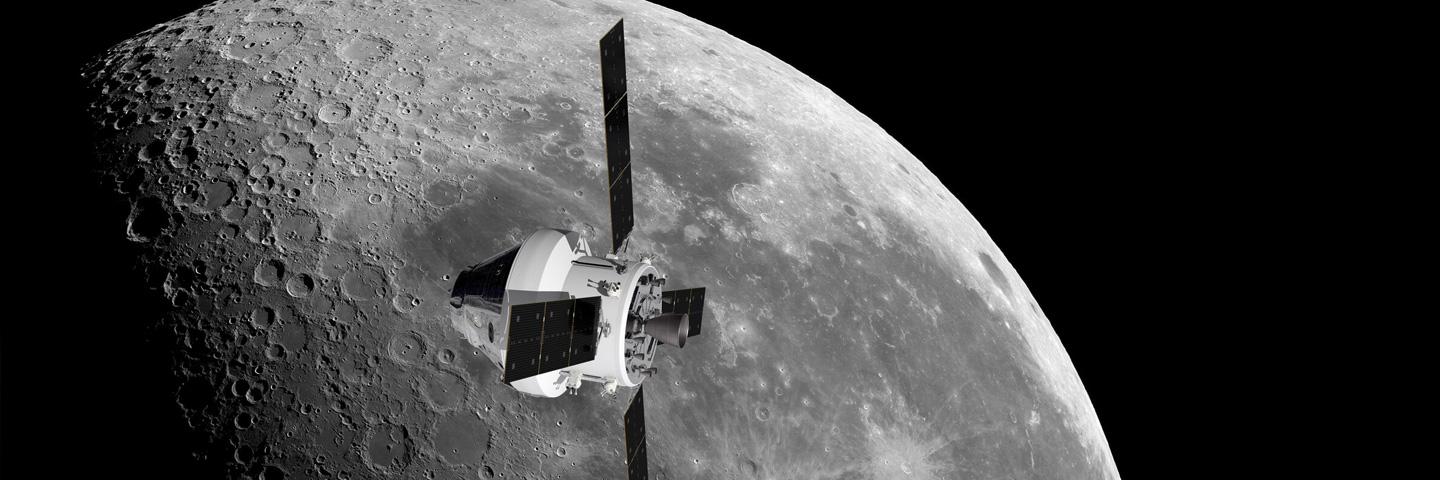
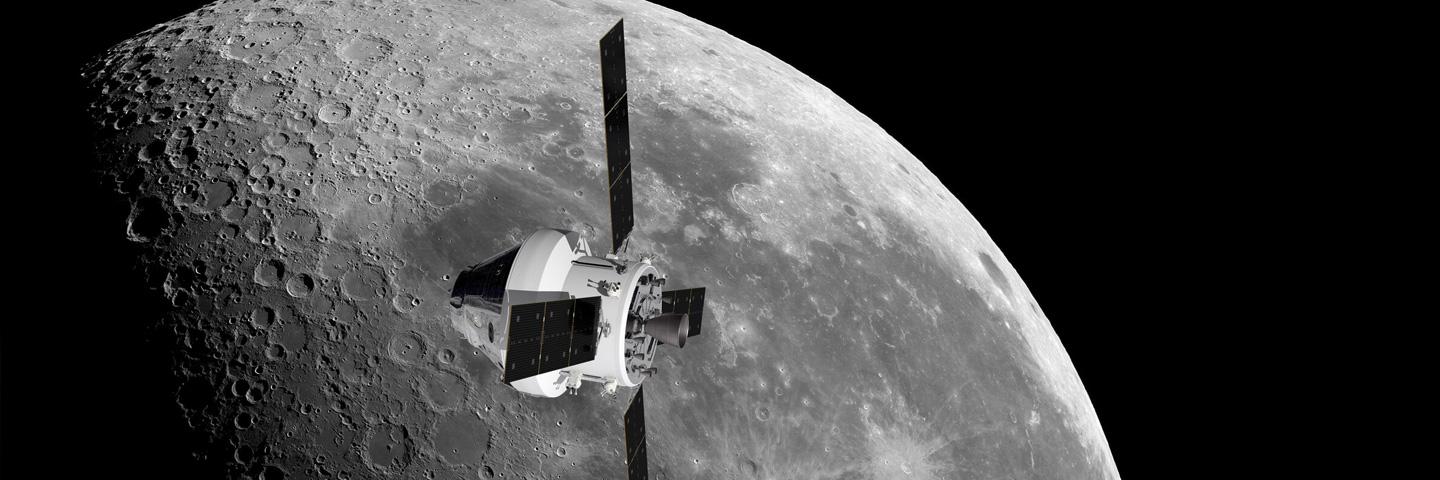
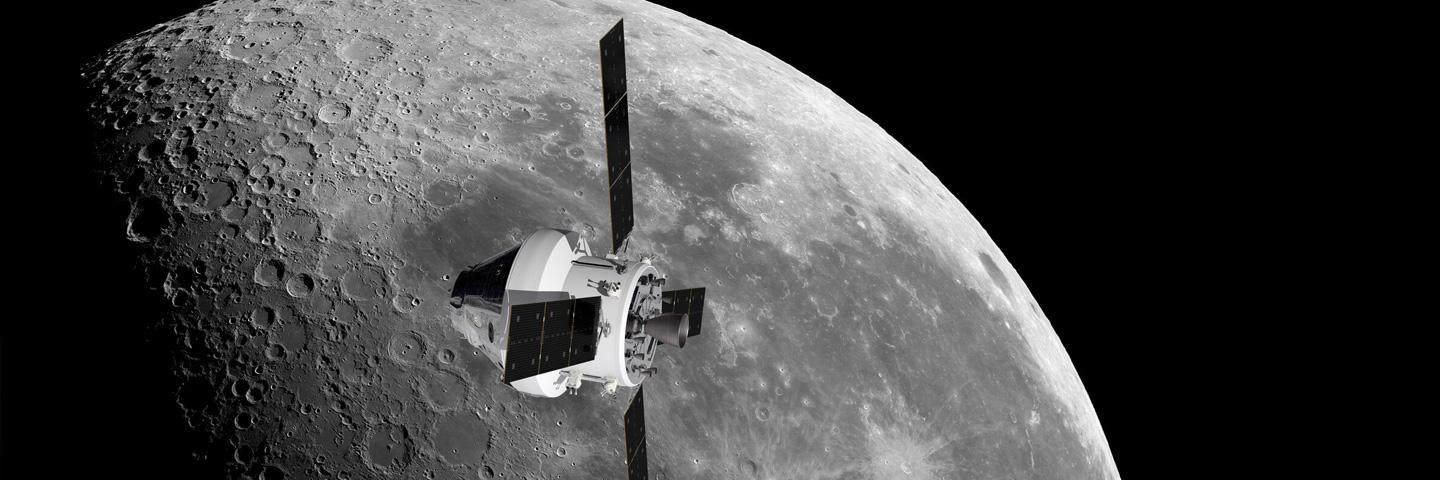
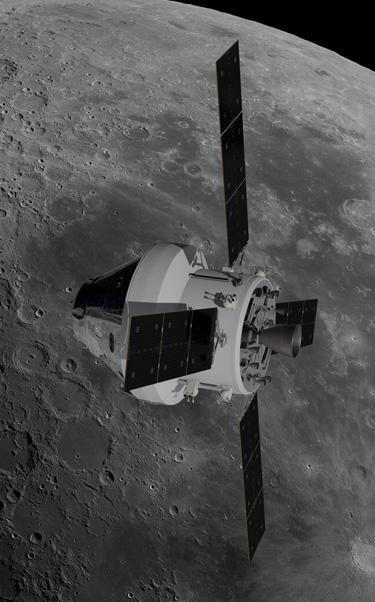
Telespazio’s Fucino Space Centre and the Italian Space Agency (Agenzia Spaziale Italiana or ASI) will support tracking of NASA’s Artemis I mission taking the Orion capsule around the Moon.

At Telespazio’s Fucino Space Centre, BTS-1 and BTS-2 antennas are ready to support the first step in the return to the Moon, the Artemis I mission, which will be launched on 16 November from Cape Canaveral's Kennedy Space Center. 

At Fucino, two antennas measuring approximately eleven metres in diameter will receive radio signals from the Orion capsule in real time as it travels to a distance of 448,000 km from Earth, helping track its trajectory.

The data collected at the Space Centre will then be shared with NASA via the ASINET mission communications infrastructure, in which Telespazio is one of the principal industrial partners, demonstrating its ability to support tracking of future space exploration missions to the Moon and, in the future, Mars.

Under the Artemis programme, with the participation of NASA and numerous other space agencies such as ESA and ASI, this initial unmanned mission will be validating procedures, systems and infrastructure for the first human flight, currently scheduled for 2024.

Vista d'insieme del Centro Spaziale del Fucino di Telespazio

Aerial view of Telespazio's Fucino space centre

With 170 antennas in a 370,000 square metre area, the Fucino Space Centre in Abruzzo is acknowledged as the world’s first and most important teleport for civil use, hosting in-orbit control of satellites and telecommunication, television and multimedia services.

What’s more, Fucino has historic ties with the Moon. In 1969 the Centre received and retransmitted images of the moon landing during the Apollo 11 mission, bringing this historic moment into Italians’ homes with a live television broadcast.

And that’s not all: Telespazio coordinated a Phase A/B1 study for definition of the Moonlight mission and infrastructure: the European Space Agency’s initiative guaranteeing communication and navigation services for future missions to the moon. In the vision of the consortium led by Telespazio, the Moonlight infrastructure will be composed of three ground stations distributed over the globe and a satellite constellation, with Fucino playing the essential role of mission control and connection with all the economic operators involved, all over the world.

Other News & Stories

25.09.2026
Fucino Space Centre: from the first "ping" to the future of the Internet

Prof. Luciano Lenzini, a pioneer in bringing the Internet to Italy, met with Telespazio engineers and technicians at the Fucino Space Centre, through which the first Internet link between Italy and the United States passed 40 years ago.

21.09.2026
Connectivity: results of the satellite trial in Lombardy presented in Milan

Connecting entire villages to the national network through an infrastructure that combines satellite, fiber and wireless connections, in order to bring quality digital services even to the hardest-to-reach areas. This is the goal of the trial carried out in Lombardy, whose preliminary results were presented at the Milan office of the Department for Digital Transformation. Telespazio took part in the initiative by developing a proprietary backhauling solution that aggregates multiple satellite links.

15.09.2026
FLEX and Sentinel-3C in Orbit: Leonardo and Telespazio's Contribution to ESA's Earth Observation Missions

On September 15th 2026, at 03:21 Italian time, the FLEX and Copernicus Sentinel-3C satellites of the European Space Agency (ESA) successfully launched from Europe's Spaceport in Kourou, French Guiana. Both travelled aboard the same launcher, Avio's Vega-C, and are now flying in tandem orbit, spaced roughly ten seconds apart, at an altitude of around 800 kilometres.

28.08.2026
MTG-I2 successfully launched: Telespazio acquired the first signal from the third Meteosat Third Generation satellite from the Fucino Space Centre

MTG-I2, the third Meteosat Third Generation satellite from ESA and EUMETSAT, lifted off yesterday, 27 August, at 20:11 UTC from the Kourou spaceport in French Guiana, aboard an Arianespace Ariane 6 launcher. About 25 minutes after launch, Telespazio's Fucino Space Centre — a Leonardo Group subsidiary — acquired the satellite's first signal, officially marking the start of the LEOP (Launch and Early Orbit Phase), which will last twelve days.

25.09.2026
Fucino Space Centre: from the first "ping" to the future of the Internet

Prof. Luciano Lenzini, a pioneer in bringing the Internet to Italy, met with Telespazio engineers and technicians at the Fucino Space Centre, through which the first Internet link between Italy and the United States passed 40 years ago.

21.09.2026
Connectivity: results of the satellite trial in Lombardy presented in Milan

Connecting entire villages to the national network through an infrastructure that combines satellite, fiber and wireless connections, in order to bring quality digital services even to the hardest-to-reach areas. This is the goal of the trial carried out in Lombardy, whose preliminary results were presented at the Milan office of the Department for Digital Transformation. Telespazio took part in the initiative by developing a proprietary backhauling solution that aggregates multiple satellite links.

15.09.2026
FLEX and Sentinel-3C in Orbit: Leonardo and Telespazio's Contribution to ESA's Earth Observation Missions

On September 15th 2026, at 03:21 Italian time, the FLEX and Copernicus Sentinel-3C satellites of the European Space Agency (ESA) successfully launched from Europe's Spaceport in Kourou, French Guiana. Both travelled aboard the same launcher, Avio's Vega-C, and are now flying in tandem orbit, spaced roughly ten seconds apart, at an altitude of around 800 kilometres.

28.08.2026
MTG-I2 successfully launched: Telespazio acquired the first signal from the third Meteosat Third Generation satellite from the Fucino Space Centre

MTG-I2, the third Meteosat Third Generation satellite from ESA and EUMETSAT, lifted off yesterday, 27 August, at 20:11 UTC from the Kourou spaceport in French Guiana, aboard an Arianespace Ariane 6 launcher. About 25 minutes after launch, Telespazio's Fucino Space Centre — a Leonardo Group subsidiary — acquired the satellite's first signal, officially marking the start of the LEOP (Launch and Early Orbit Phase), which will last twelve days.