


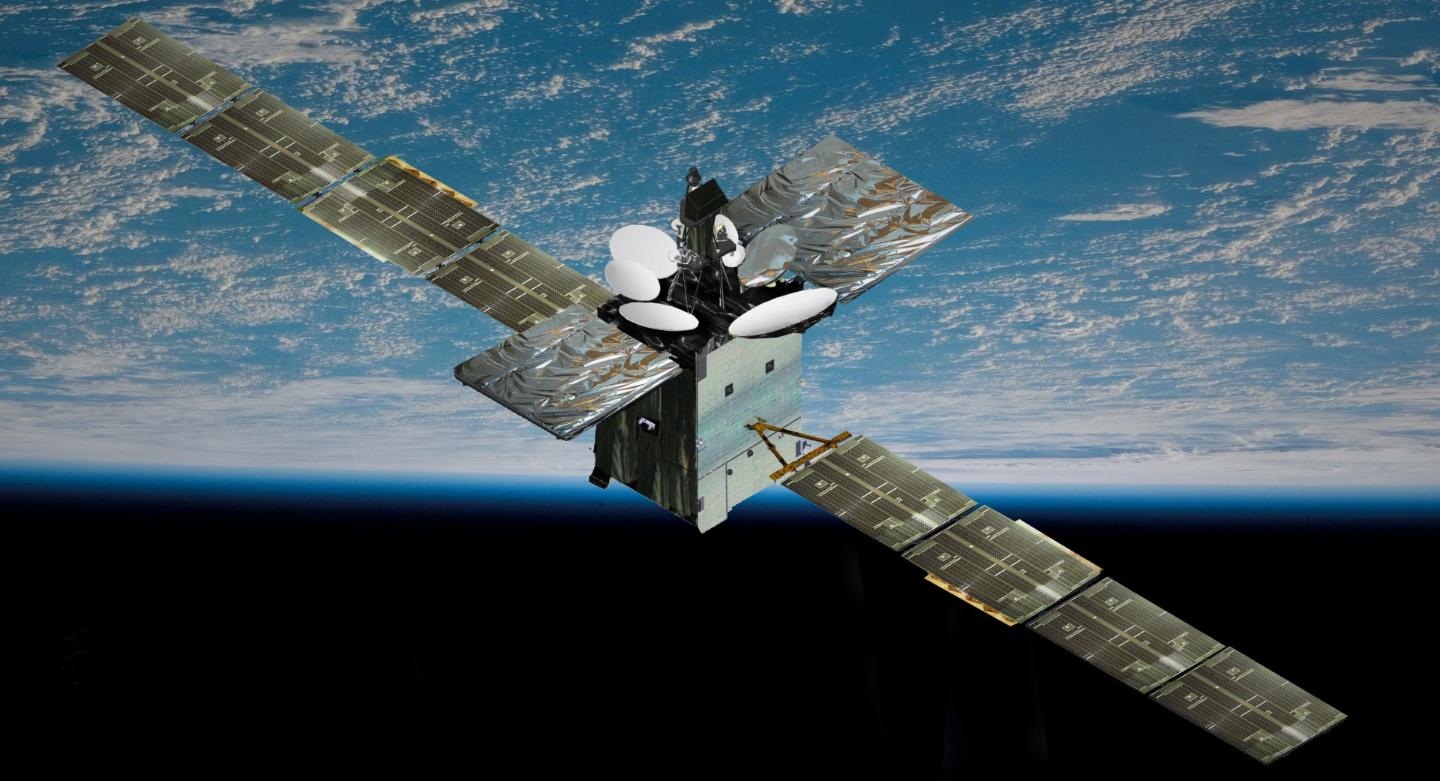
This flexible, versatile system is able to work for the Italian Defence Force and NATO, while also providing support for public safety and civil emergencies.
SICRAL (Sistema Italiano per Comunicazioni Riservate ed Allarme - Italian System for Secure Communications and Alerts) has ensured both military satellite communications and strategic and tactical links countrywide since 2001, as well as being used in operations abroad, for all platforms - on land, at sea, and in the air.
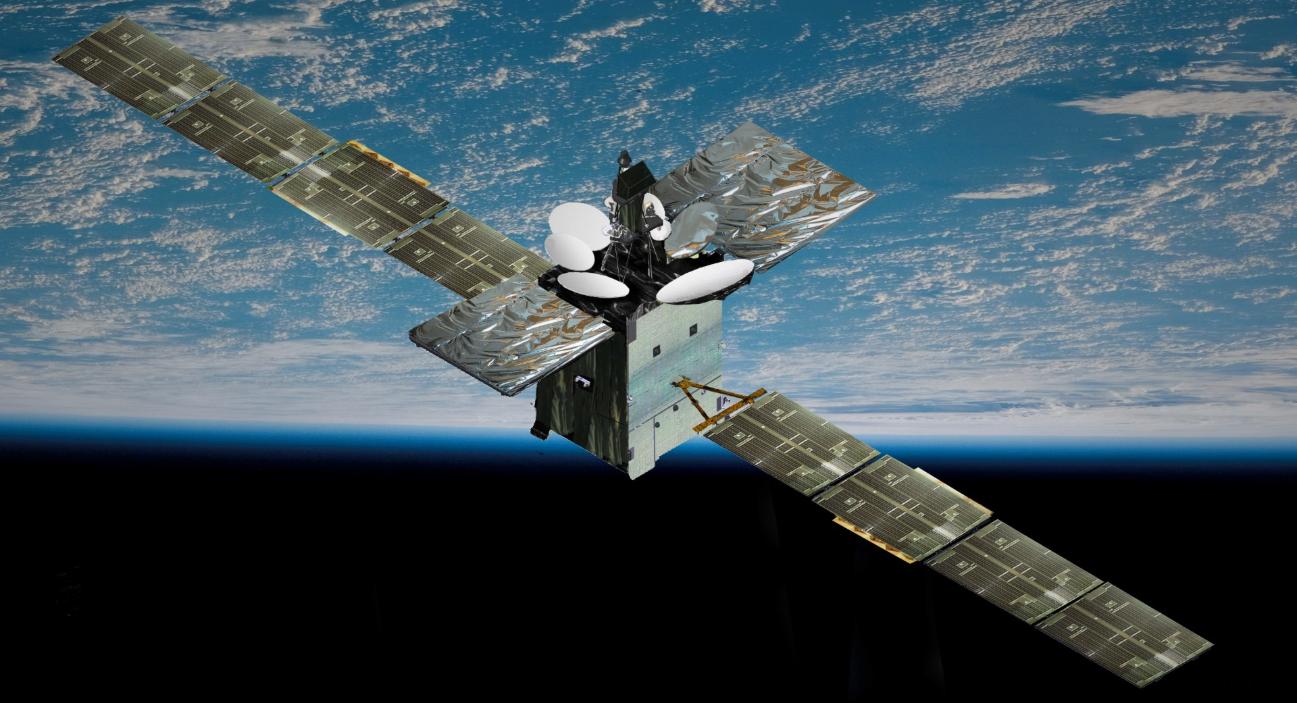
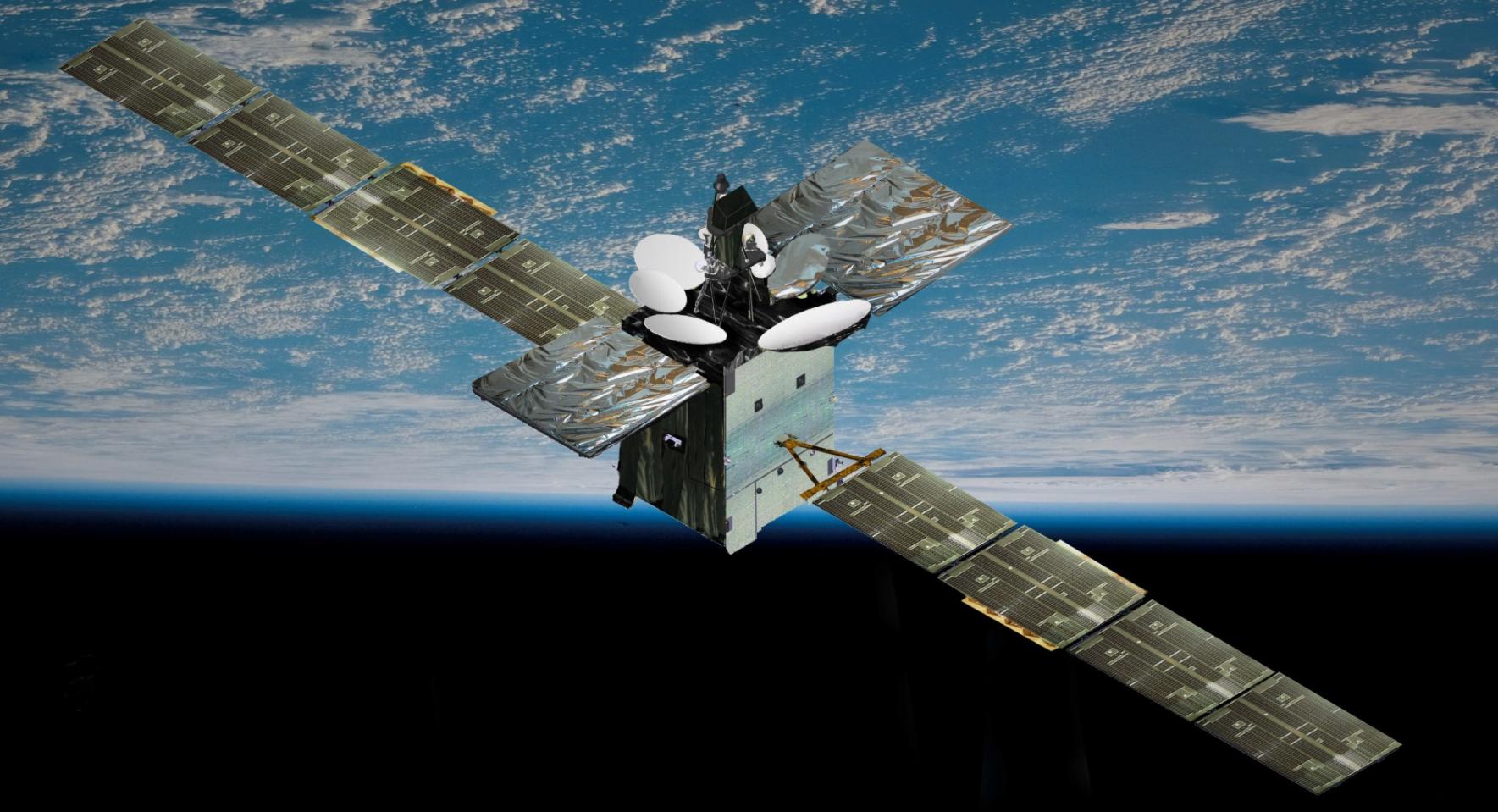
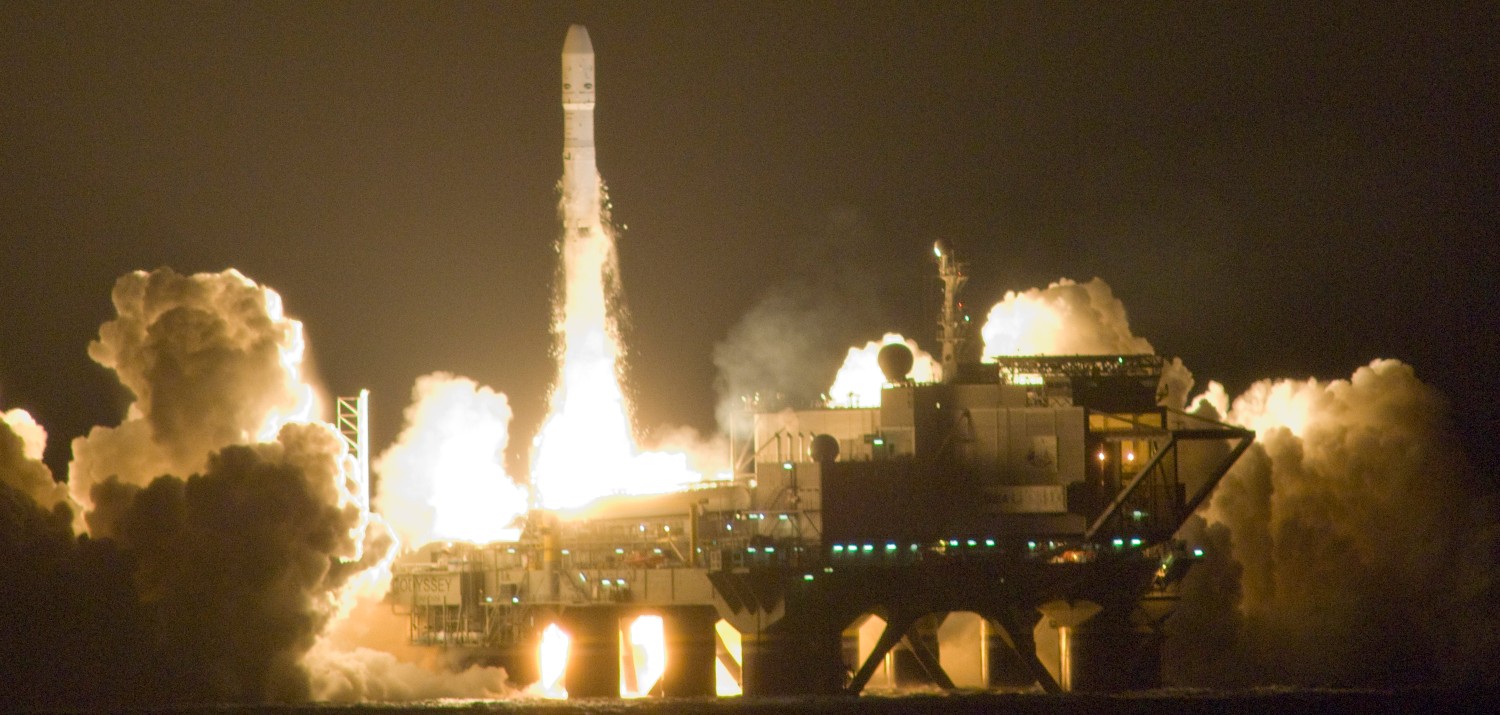
The SICRAL system was developed in three phases, each of which involved launching a satellite into a geostationary orbit, meaning that it is fixed in relation to a point on the Earth's surface, at an altitude of 36,000 kilometres: SICRAL 1 was launched in 2001, and it was precisely in April that SICRAL 1B (22 April 2009, in the image below) and SICRAL 2 were launched, the latter exactly 5 years ago on 26 April 2015.
The SICRAL system is the outcome of significant collaboration between the public and private sectors, in which Leonardo, Thales Alenia Space and Telespazio have a leading role in developing capacity and innovative technologies, in relation to both the ground and the space segments.
A strategically important programme
Telecommunications, ground systems, and operations: SICRAL has involved many of Telespazio's business figures, allowing them, yet again, to work side-by-side with the institutions on a programme of strategic importance for Italy, its allies, and for all its citizens.
And that's not all, SICRAL has also been a milestone in Telespazio's activities that, with the launch of SICRAL 1B and SICRAL2, was able to extend and consolidate its role as a satellite operator in the Defence market (MILSATCOM).
In fact, following the PPP (Public Private Partnership) with the Defence Ministry, Telespazio made direct investments in the SICRAL-1B and SICRAL 2 missions and, being able therefore to make use of some of their transmission capacity, it was able to offer telecommunications services to the Armed Forces of NATO members, and to allied foreign countries.
However, for SICRAL Telespazio also designed, set up, added to, and tested the entire ground segment, that is operated by the Centro Interforze di Gestione e Controllo (CIGC) in Vigna di Valle, North of Rome, and by the Fucino Space Centre, that has a back-up role.
For the programme's first and second satellites, Telespazio also ran the launch services, with Arianespace and SeaLaunch respectively, whereas for the joint Italian / French SICRAL 2 mission, Telespazio set up the system that interconnects the Italian and French mission centres.
Finally, for all three missions, Telespazio applied its know-how in the field of satellite operations, running the LEOP (Launch and Early Orbit Phase), one of the most critical phases of any mission, and the IOT (In-Orbit Test) phase, in which, once in orbit, the satellite undergoes a series of tests to ensure that it is functioning perfectly.
Thales Alenia Space, continuing the role it had in previous SICRAL missions, took care of designing the SICRAL 2 system and developing the satellite, as well as adding to and testing the satellite at its Satellite Integration Centres in Rome, Turin, and Cannes.
“The SICRAL missions are a fine example of how complex space programmes can be handled, working synergically and collaboratively. In fact, they are the result of close cooperation, as was the case in the SICRAL 2 mission, between the Italian and French Defence Ministries, a Public Private Partnership between the client and industry, and industrial collaboration between Thales Alenia Space and Telespazio".
Enno Guarino, Head of Institutional Programmes for Telespazio's Satellite Communications Line of Business
Five years on from the last launch, Telespazio's commitment to the SICRAL programme is ongoing, with a view to supporting the Italian Defence Ministry with defining and developing new missions for secure telecommunications.