

Spaceopal completes new GSS site in the Kerguelen Islands

27 September 2021

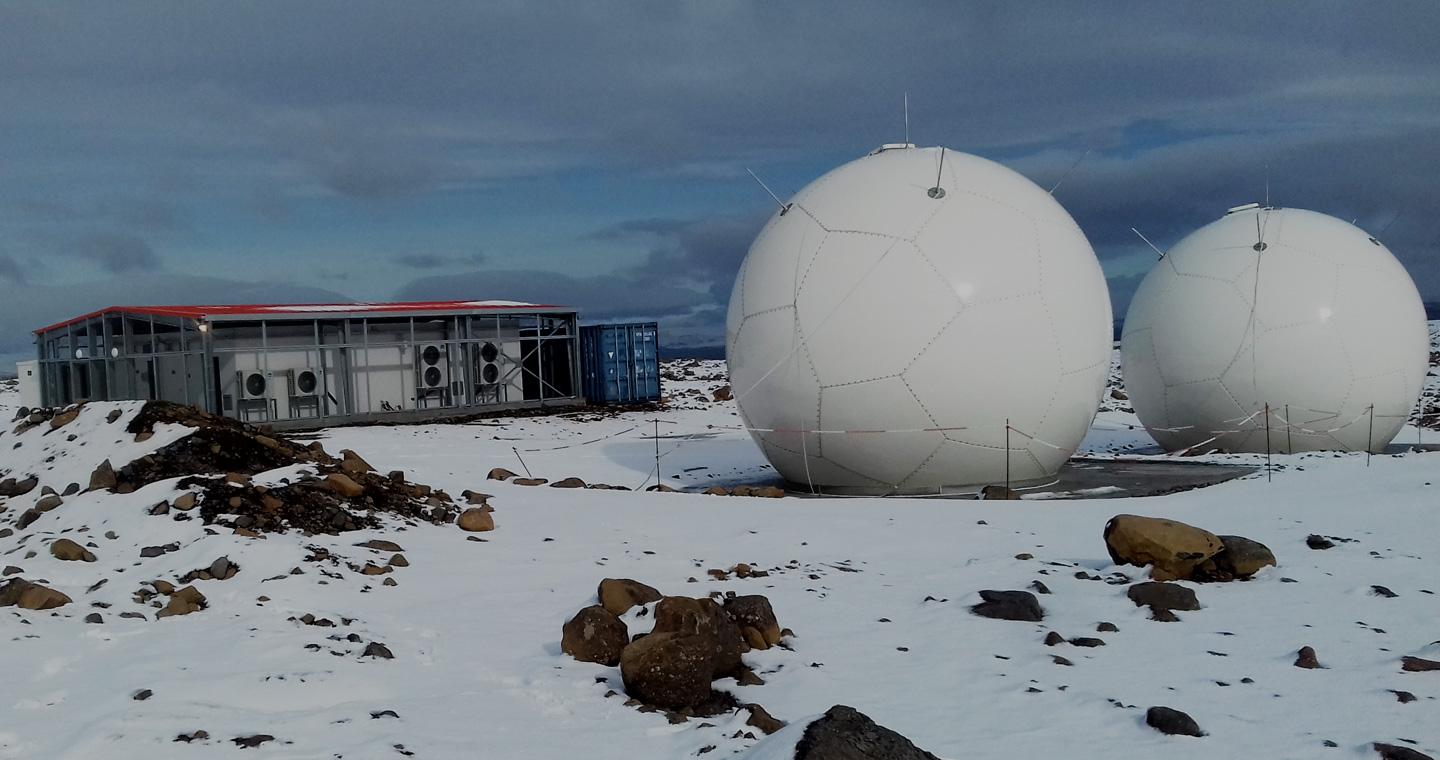
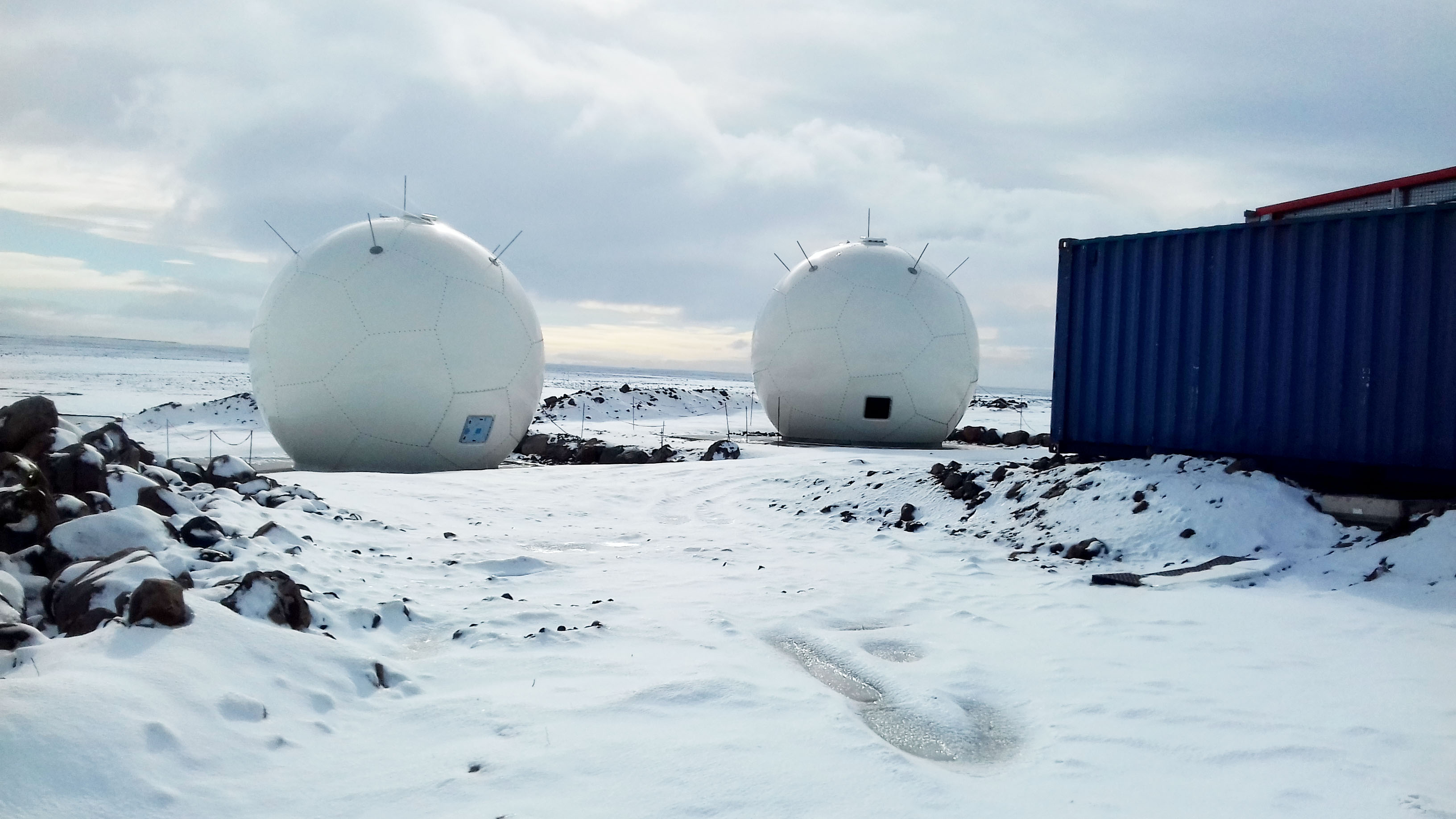
Spaceopal on behalf of the European Union Agency for the Space Programme (EUSPA) recently completed the construction of the new Galileo Sensor Station (GSS) in the Kerguelen Islands, in the French Southern and Antarctic Lands (TAAF), in the middle of the Indian Ocean.

Spaceopal is equal-share joint venture between Telespazio and DLR Gesellschaft für Raumfahrtanwendungen (GFR) mbH and the prime contractor for the operational services of Galileo.

The installation of the infrastructure now begins, followed by integration and testing of the GSS apparatuses, which will continue until May 2022, when it will become part of the Galileo GSS network.

The Galileo GSS network includes antennas all over the world essential for real-time control and monitoring of the signal precision and quality of Galileo satellites, as well as establishing their orbits with precision.

The new infrastructure in the Kerguelen Islands replaces the previous one, built in the earliest stages of the programme, as part of an update of the world-wide network of the Galileo Ground Segment required to permit Full Operational Capability of the European navigation and positioning system, guaranteeing an accurate, precise signal at all times for users all over the world.
 

An unprecedented challenge


Situated in the subantarctic region of the Indian Ocean, about 3300 km off the coast of Madagascar, with a population of about 150 scientists, researchers and soldiers, the Kerguelen Islands, under French jurisdiction, are among the world’s most isolated places. This may be why they are also known as the Desolation Islands.

When EUSPA signed a contract with Spaceopal for the implementation of the system in 2019, installation of the new GSS appeared to be a major logistical challenge.

Under the leadership of the EUSPA, Spaceopal supported by its industrial team for these actions composed of the Telespazio group, SES and TAAF coordinated the work as the Galileo Service Operator (GSOp), interfacing with the supplier of GSS apparatuses, Thales, while ensuring the project’s consistency with GSS sites all over the world.

Telespazio designed the site’s Galileo Data Dissemination Network (GDDN), the connection to the Galileo communications network required for interconnection of the entire Ground Segment of the system, from the two Control Centres in Italy and Germany to the network of uplink, telemetry and GSS stations all over the world, operated by SES.

Lastly, Telespazio Belgium took care of site planning and coordination with TAAF for system implementation.

Other News & Stories

17.12.2025
Two New Galileo Satellites Successfully Launched

Two new first-generation Galileo satellites, numbers 33 and 34, were successfully launched today aboard an Ariane 6 launcher at 06:01 (CET) Italian time from Europe’s Spaceport in Kourou, French Guiana. Galileo is Europe’s global satellite navigation system, developed by the European Union with the technical and industrial support of the European Space Agency (ESA).

16.12.2025
Love Planet Earth 2026: the Calendar by Leonardo, e-GEOS, Telespazio and Med-Or Italian Foundation on agriculture in the Mediterranean

On the occasion of 2025 Italian National Space Day, Leonardo, with e-GEOS (a joint venture 20% owned by the Italian Space Agency and 80% by Telespazio, Leonardo Group) and Telespazio (67% owned by Leonardo and 33% by Thales) present the eighteenth "Love Planet Earth" calendar, representing environmental sustainability through images taken by the COSMO-SkyMed satellites operated by the Italian Space Agency and the Italian Ministry of Defence.

11.12.2025
Leonardo, Telespazio and Intuitive Machines sign a strategic agreement for lunar communication and navigation

Leonardo, Telespazio and Intuitive Machines have signed a strategic cooperation agreement to develop interoperable infrastructures and provide communications and navigation services in support of lunar exploration.

13.11.2025
Agritech Living Lab: Telespazio at the forefront of agricultural innovation

Telespazio hosted the Agritech Living Lab at the Fucino Space Centre, an event organized within the framework of the Agritech Project, funded by the Italian Ministry of University and Research (MUR) under the National Recovery and Resilience Plan (NRRP), supported by the European Union’s NextGenerationEU initiative.

17.12.2025
Two New Galileo Satellites Successfully Launched

Two new first-generation Galileo satellites, numbers 33 and 34, were successfully launched today aboard an Ariane 6 launcher at 06:01 (CET) Italian time from Europe’s Spaceport in Kourou, French Guiana. Galileo is Europe’s global satellite navigation system, developed by the European Union with the technical and industrial support of the European Space Agency (ESA).

16.12.2025
Love Planet Earth 2026: the Calendar by Leonardo, e-GEOS, Telespazio and Med-Or Italian Foundation on agriculture in the Mediterranean

On the occasion of 2025 Italian National Space Day, Leonardo, with e-GEOS (a joint venture 20% owned by the Italian Space Agency and 80% by Telespazio, Leonardo Group) and Telespazio (67% owned by Leonardo and 33% by Thales) present the eighteenth "Love Planet Earth" calendar, representing environmental sustainability through images taken by the COSMO-SkyMed satellites operated by the Italian Space Agency and the Italian Ministry of Defence.

11.12.2025
Leonardo, Telespazio and Intuitive Machines sign a strategic agreement for lunar communication and navigation

Leonardo, Telespazio and Intuitive Machines have signed a strategic cooperation agreement to develop interoperable infrastructures and provide communications and navigation services in support of lunar exploration.

13.11.2025
Agritech Living Lab: Telespazio at the forefront of agricultural innovation

Telespazio hosted the Agritech Living Lab at the Fucino Space Centre, an event organized within the framework of the Agritech Project, funded by the Italian Ministry of University and Research (MUR) under the National Recovery and Resilience Plan (NRRP), supported by the European Union’s NextGenerationEU initiative.