

Spaceopal confirmed as Galileo Service Operator

17 February 2022

The European Union Agency for the Space Programme (EUSPA) has confirmed Spaceopal, a joint venture owned in equal parts by Telespazio (Leonardo 67%/Thales 33%) and DLR-GfR (owned by the German Space Agency, DLR), as Galileo Service Operator (GSOp) for the next 5 years.

Following the conclusion of a dedicated specific contract, Spaceopal will continue to operate and maintain the European Global Navigation Satellite System (GNSS) Galileo until 2026, guaranteeing continuity of the work that has been underway since 2016.

Spaceopal already operates and maintains the Galileo System (ground and space segments) and ensures compliance with the Galileo Services performance requirements, under the leadership of EUSPA.

The company is specifically concerned with the system’s operations, monitoring and control, security, service administration, logistics and maintenance of systems and all infrastructure assets, support to evolution and deployment activities, provision of enabling services and as well as services supporting users.

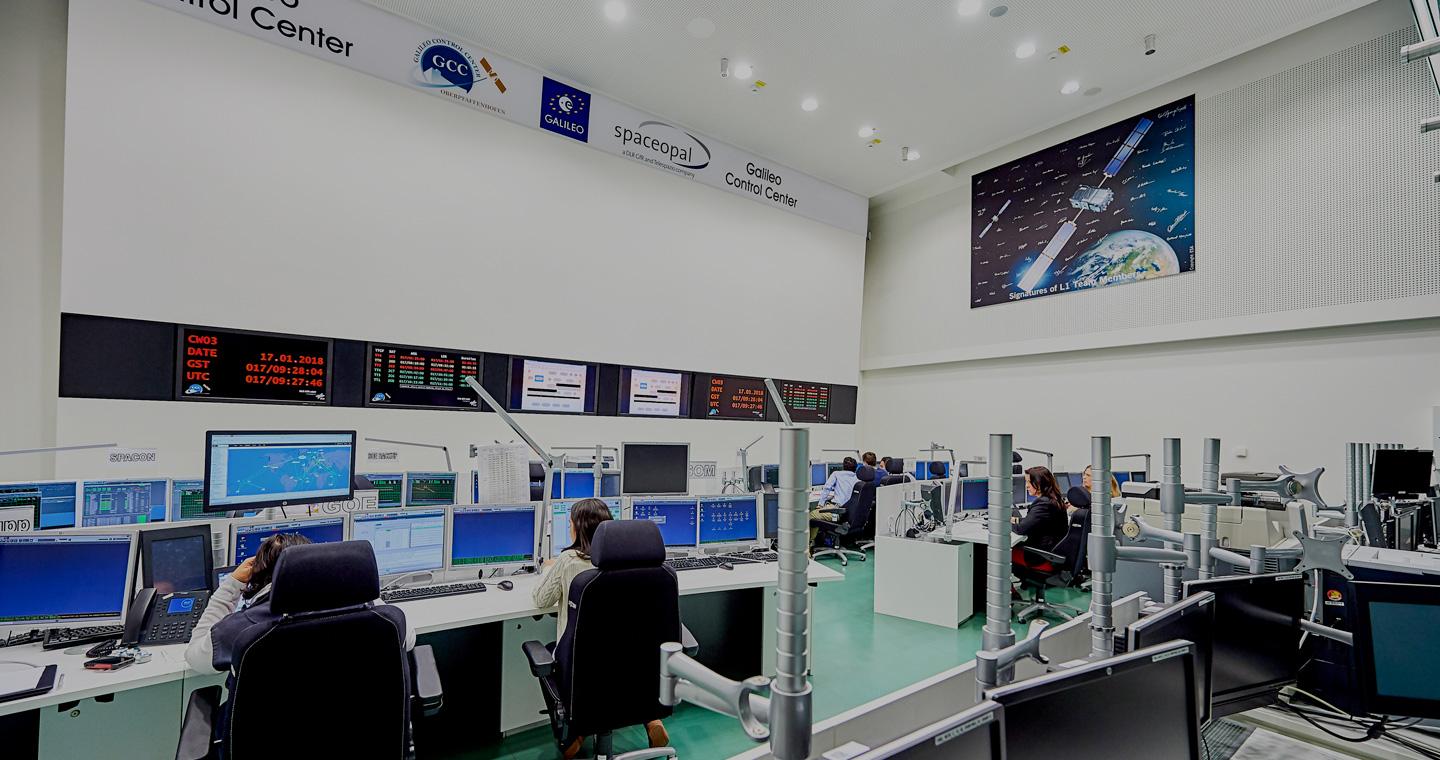
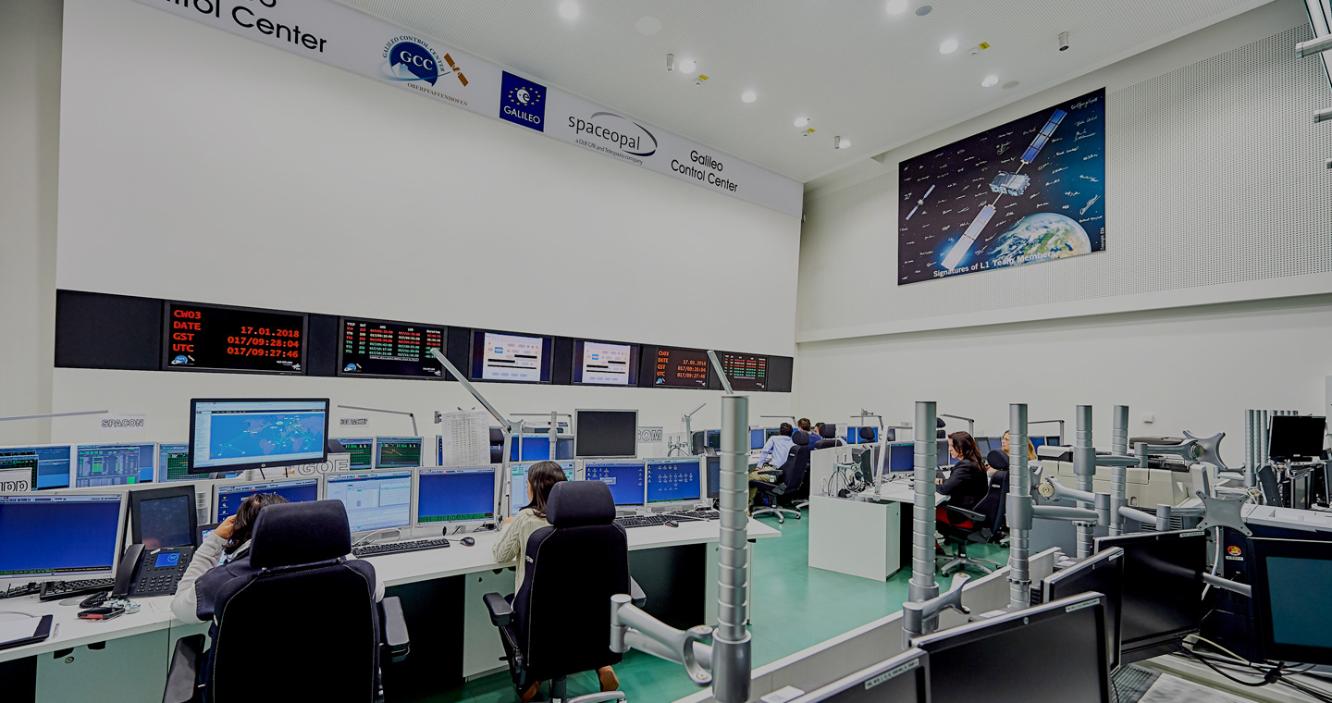
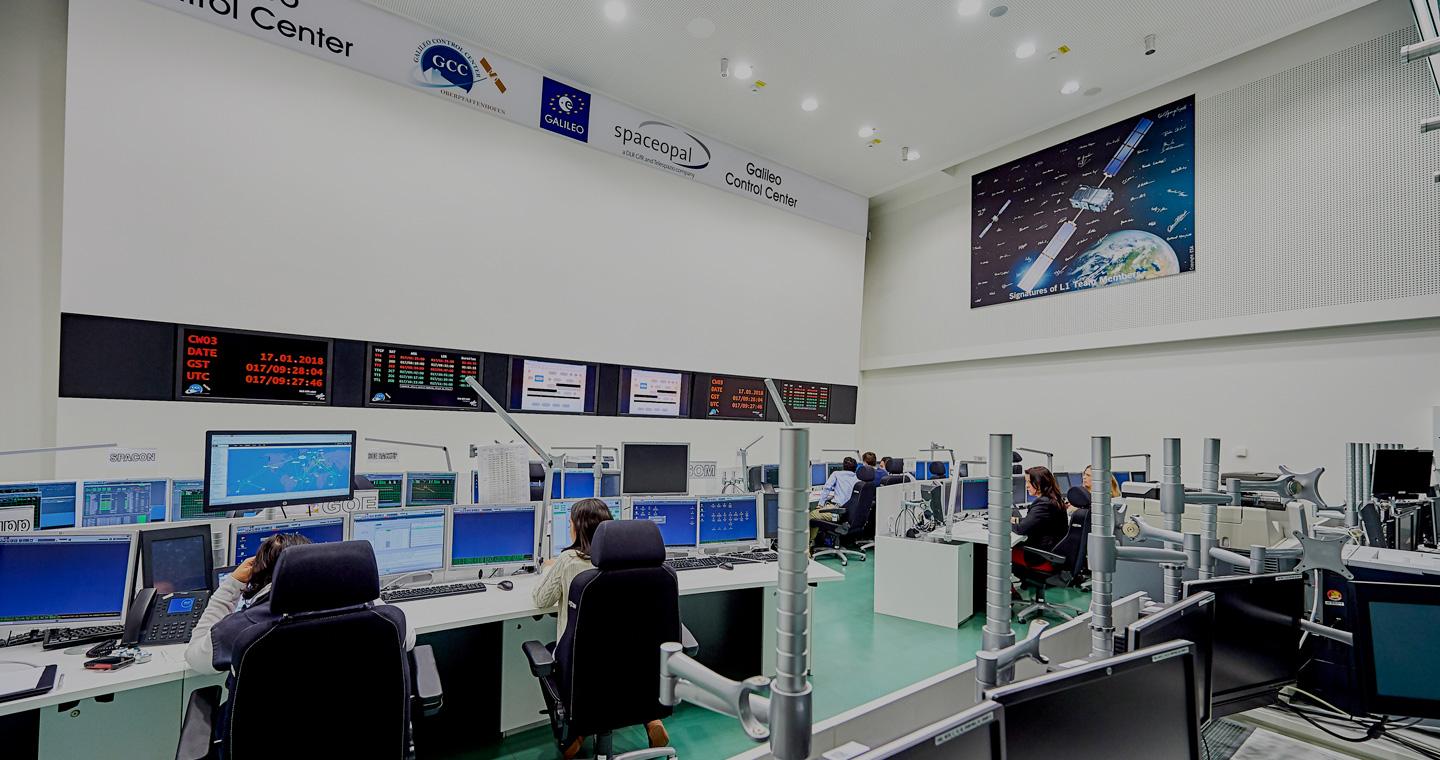
Spaceopal performs these tasks through the Galileo Control Centre (GCC) in Fucino, at Telespazio’s “Piero Fanti” space centre in the province of L’Aquila in Italy, which has recently been expanded with a new building, and its twin centre in Oberpfaffenhofen, on the premises of the DLR in Germany.
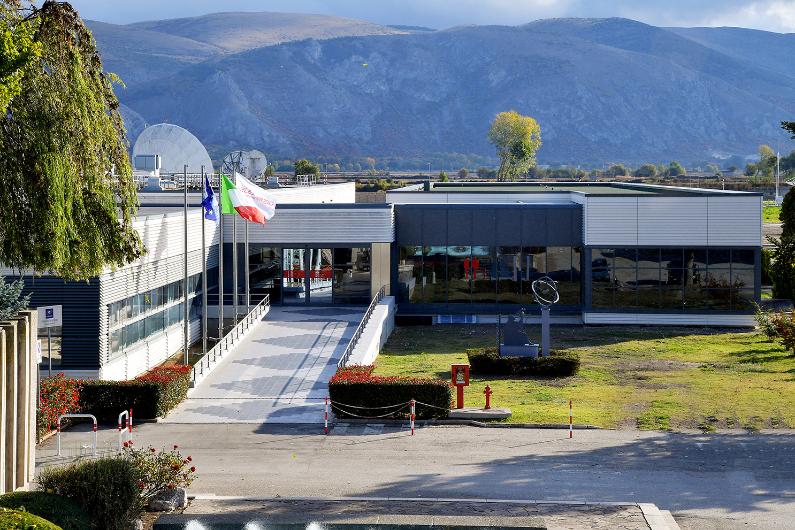
The company also operate, maintains, and support the European GNSS Service Center (GSC) in Madrid, Spain, the interface between the Galileo system and its users, and the network of sites and ground stations distributed all over the world connected by the Galileo Data Distribution Network.

“Our mission at EUSPA is to ensure that users access safe, secure and performant Galileo Services. With this contract, we guarantee the delivery of the world’s most precise positioning system reaching more than 2,5 billion users worldwide. This is made possible thanks to our robust collaboration with industrial partners such as Spaceopal”.

 Rodrigo da Costa, EUSPA Executive Director.


“The awarding of the third phase in the contract confirms the appreciation and confidence in Spaceopal’s work over the past few years. We will continue to work with EUSPA and the European institutions to guarantee the system’s efficiency and develop increasingly innovative new services for Galileo’s users all over the world.”

Marco Folino, Spaceopal CEO.

Other News & Stories

25.09.2026
Fucino Space Centre: from the first "ping" to the future of the Internet

Prof. Luciano Lenzini, a pioneer in bringing the Internet to Italy, met with Telespazio engineers and technicians at the Fucino Space Centre, through which the first Internet link between Italy and the United States passed 40 years ago.

21.09.2026
Connectivity: results of the satellite trial in Lombardy presented in Milan

Connecting entire villages to the national network through an infrastructure that combines satellite, fiber and wireless connections, in order to bring quality digital services even to the hardest-to-reach areas. This is the goal of the trial carried out in Lombardy, whose preliminary results were presented at the Milan office of the Department for Digital Transformation. Telespazio took part in the initiative by developing a proprietary backhauling solution that aggregates multiple satellite links.

15.09.2026
FLEX and Sentinel-3C in Orbit: Leonardo and Telespazio's Contribution to ESA's Earth Observation Missions

On September 15th 2026, at 03:21 Italian time, the FLEX and Copernicus Sentinel-3C satellites of the European Space Agency (ESA) successfully launched from Europe's Spaceport in Kourou, French Guiana. Both travelled aboard the same launcher, Avio's Vega-C, and are now flying in tandem orbit, spaced roughly ten seconds apart, at an altitude of around 800 kilometres.

28.08.2026
MTG-I2 successfully launched: Telespazio acquired the first signal from the third Meteosat Third Generation satellite from the Fucino Space Centre

MTG-I2, the third Meteosat Third Generation satellite from ESA and EUMETSAT, lifted off yesterday, 27 August, at 20:11 UTC from the Kourou spaceport in French Guiana, aboard an Arianespace Ariane 6 launcher. About 25 minutes after launch, Telespazio's Fucino Space Centre — a Leonardo Group subsidiary — acquired the satellite's first signal, officially marking the start of the LEOP (Launch and Early Orbit Phase), which will last twelve days.

25.09.2026
Fucino Space Centre: from the first "ping" to the future of the Internet

Prof. Luciano Lenzini, a pioneer in bringing the Internet to Italy, met with Telespazio engineers and technicians at the Fucino Space Centre, through which the first Internet link between Italy and the United States passed 40 years ago.

21.09.2026
Connectivity: results of the satellite trial in Lombardy presented in Milan

Connecting entire villages to the national network through an infrastructure that combines satellite, fiber and wireless connections, in order to bring quality digital services even to the hardest-to-reach areas. This is the goal of the trial carried out in Lombardy, whose preliminary results were presented at the Milan office of the Department for Digital Transformation. Telespazio took part in the initiative by developing a proprietary backhauling solution that aggregates multiple satellite links.

15.09.2026
FLEX and Sentinel-3C in Orbit: Leonardo and Telespazio's Contribution to ESA's Earth Observation Missions

On September 15th 2026, at 03:21 Italian time, the FLEX and Copernicus Sentinel-3C satellites of the European Space Agency (ESA) successfully launched from Europe's Spaceport in Kourou, French Guiana. Both travelled aboard the same launcher, Avio's Vega-C, and are now flying in tandem orbit, spaced roughly ten seconds apart, at an altitude of around 800 kilometres.

28.08.2026
MTG-I2 successfully launched: Telespazio acquired the first signal from the third Meteosat Third Generation satellite from the Fucino Space Centre

MTG-I2, the third Meteosat Third Generation satellite from ESA and EUMETSAT, lifted off yesterday, 27 August, at 20:11 UTC from the Kourou spaceport in French Guiana, aboard an Arianespace Ariane 6 launcher. About 25 minutes after launch, Telespazio's Fucino Space Centre — a Leonardo Group subsidiary — acquired the satellite's first signal, officially marking the start of the LEOP (Launch and Early Orbit Phase), which will last twelve days.