

An all-Italian satellite at NASA: the Sirio project

In 1974 the CNR entrusted Telespazio with the management of the ground infrastructure for the new experimental satellite. Its launch and placement in orbit proved to be a real challenge. The third episode of the “A Space Story” series.

11 February 2021

The 1970s began with all eyes on the recent achievements in space. After the moon landing not even the football world could resist the temptation to claim its place in the skies: the ball used at the 1970 World Cup in Mexico was called the Telstar, like the satellite that had connected Europe and the Americas less than a decade earlier.

And it was against this backdrop that the idea took shape for the first satellite to be entirely designed and built in Italy. Sirio (an acronym for Satellite Italiano di Ricerca Industriale e Operativa - Italian industrial and operational research satellite) was conceived to study high-frequency radio waves in order to develop new opportunities for telephone and TV communications via satellite.
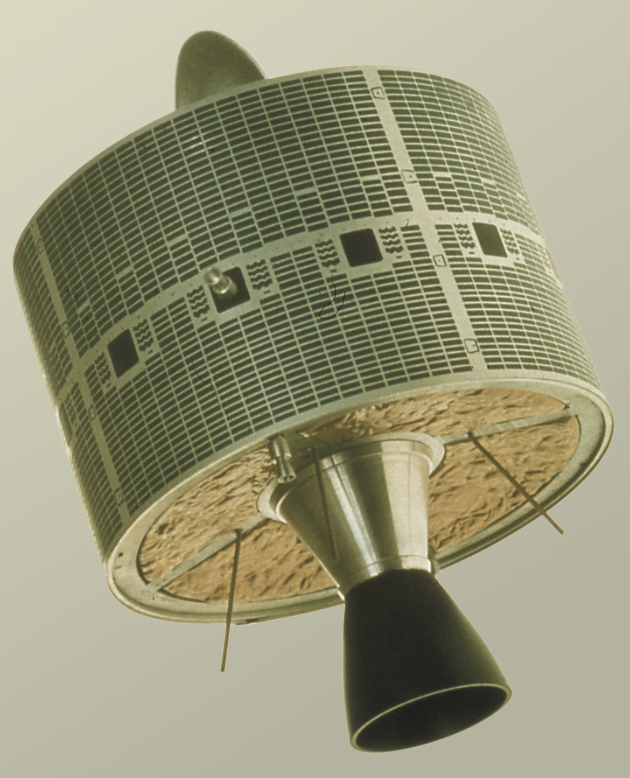
Designed to last for two years, Sirio remained operational until 1987 when it was deactivated by the Fucino Space Centre

For Italy this was a challenge in several respects. The first hurdle was to organise the management of the ground infrastructure, a task that in 1974 the CNR (national research council) entrusted to Telespazio as the only Italian company to have accumulated experience in this field. Just a year later Telespazio also signed the contract to launch the satellite using the Delta 2313 rocket.
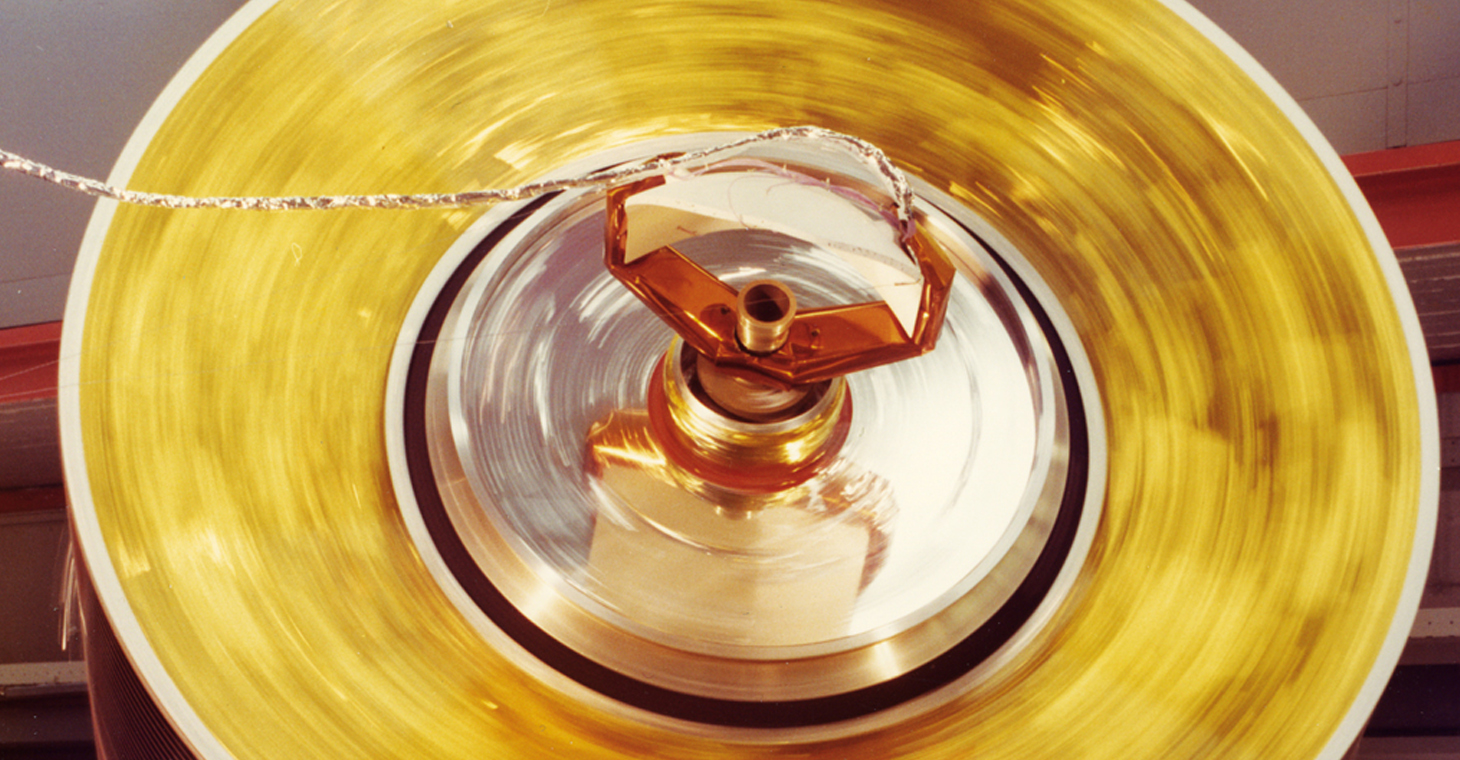
The Sirio Satellite during the testing phase at ESA's ESTEC center in the Netherlands

In the meantime, however, Sirio’s path had become more complicated: NASA had announced that it would no longer take part in orbital operations on behalf of foreign satellites. But for Italy this apparent cold shower presented a unique opportunity.

The CNR requested and obtained from the CNUCE (national university centre for electronic calculation) a team of experts who would be able to work on the project within NASA’s Goddard Space Center. The results of this initiative were seen on 25 August 1977, when Sirio lifted off from the launchpad at Cape Canaveral. “My fingers were as cold as ice when I gave the order to fire up the apogee kick motor”, recalled Stefano Trumpy - Flight Operations Manager for the launch and placement in geostationary orbit - many years later.

Other News & Stories

17.12.2025
Two New Galileo Satellites Successfully Launched

Two new first-generation Galileo satellites, numbers 33 and 34, were successfully launched today aboard an Ariane 6 launcher at 06:01 (CET) Italian time from Europe’s Spaceport in Kourou, French Guiana. Galileo is Europe’s global satellite navigation system, developed by the European Union with the technical and industrial support of the European Space Agency (ESA).

16.12.2025
Love Planet Earth 2026: the Calendar by Leonardo, e-GEOS, Telespazio and Med-Or Italian Foundation on agriculture in the Mediterranean

On the occasion of 2025 Italian National Space Day, Leonardo, with e-GEOS (a joint venture 20% owned by the Italian Space Agency and 80% by Telespazio, Leonardo Group) and Telespazio (67% owned by Leonardo and 33% by Thales) present the eighteenth "Love Planet Earth" calendar, representing environmental sustainability through images taken by the COSMO-SkyMed satellites operated by the Italian Space Agency and the Italian Ministry of Defence.

11.12.2025
Leonardo, Telespazio and Intuitive Machines sign a strategic agreement for lunar communication and navigation

Leonardo, Telespazio and Intuitive Machines have signed a strategic cooperation agreement to develop interoperable infrastructures and provide communications and navigation services in support of lunar exploration.

13.11.2025
Agritech Living Lab: Telespazio at the forefront of agricultural innovation

Telespazio hosted the Agritech Living Lab at the Fucino Space Centre, an event organized within the framework of the Agritech Project, funded by the Italian Ministry of University and Research (MUR) under the National Recovery and Resilience Plan (NRRP), supported by the European Union’s NextGenerationEU initiative.

17.12.2025
Two New Galileo Satellites Successfully Launched

Two new first-generation Galileo satellites, numbers 33 and 34, were successfully launched today aboard an Ariane 6 launcher at 06:01 (CET) Italian time from Europe’s Spaceport in Kourou, French Guiana. Galileo is Europe’s global satellite navigation system, developed by the European Union with the technical and industrial support of the European Space Agency (ESA).

16.12.2025
Love Planet Earth 2026: the Calendar by Leonardo, e-GEOS, Telespazio and Med-Or Italian Foundation on agriculture in the Mediterranean

On the occasion of 2025 Italian National Space Day, Leonardo, with e-GEOS (a joint venture 20% owned by the Italian Space Agency and 80% by Telespazio, Leonardo Group) and Telespazio (67% owned by Leonardo and 33% by Thales) present the eighteenth "Love Planet Earth" calendar, representing environmental sustainability through images taken by the COSMO-SkyMed satellites operated by the Italian Space Agency and the Italian Ministry of Defence.

11.12.2025
Leonardo, Telespazio and Intuitive Machines sign a strategic agreement for lunar communication and navigation

Leonardo, Telespazio and Intuitive Machines have signed a strategic cooperation agreement to develop interoperable infrastructures and provide communications and navigation services in support of lunar exploration.

13.11.2025
Agritech Living Lab: Telespazio at the forefront of agricultural innovation

Telespazio hosted the Agritech Living Lab at the Fucino Space Centre, an event organized within the framework of the Agritech Project, funded by the Italian Ministry of University and Research (MUR) under the National Recovery and Resilience Plan (NRRP), supported by the European Union’s NextGenerationEU initiative.