

Telespazio transfers the Payload Data Processing System of the Copernicus programme’s Sentinel-3 satellites to cloud

04 March 2021

Telespazio, a joint venture between Leonardo (67%) and Thales (33%), has successfully migrated the data processing infrastructure of the European Space Agency (ESA) Sentinel-3 mission to the commercial cloud.

In the past, these activities took place in a physical infrastructure hosted at three different sites in Europe.

In recent days, ESA has given go-ahead for the Sentinel-3 mission's a switch-off of the physical scientific data processing infrastructure. The switch-off has been confirmed after an observation period lasting one month, on which the two infrastructures (physical and cloud) have been jointly operated.

Telespazio has managed the entire design, development, qualification and roll-down to operation of the data processing system, adapting it to the new technologies and ensuring the best possible performance from a cloud platform. The migration process was approached by consecutive steps, starting from migration of the acquisition systems to migration of the various data processing centres. 

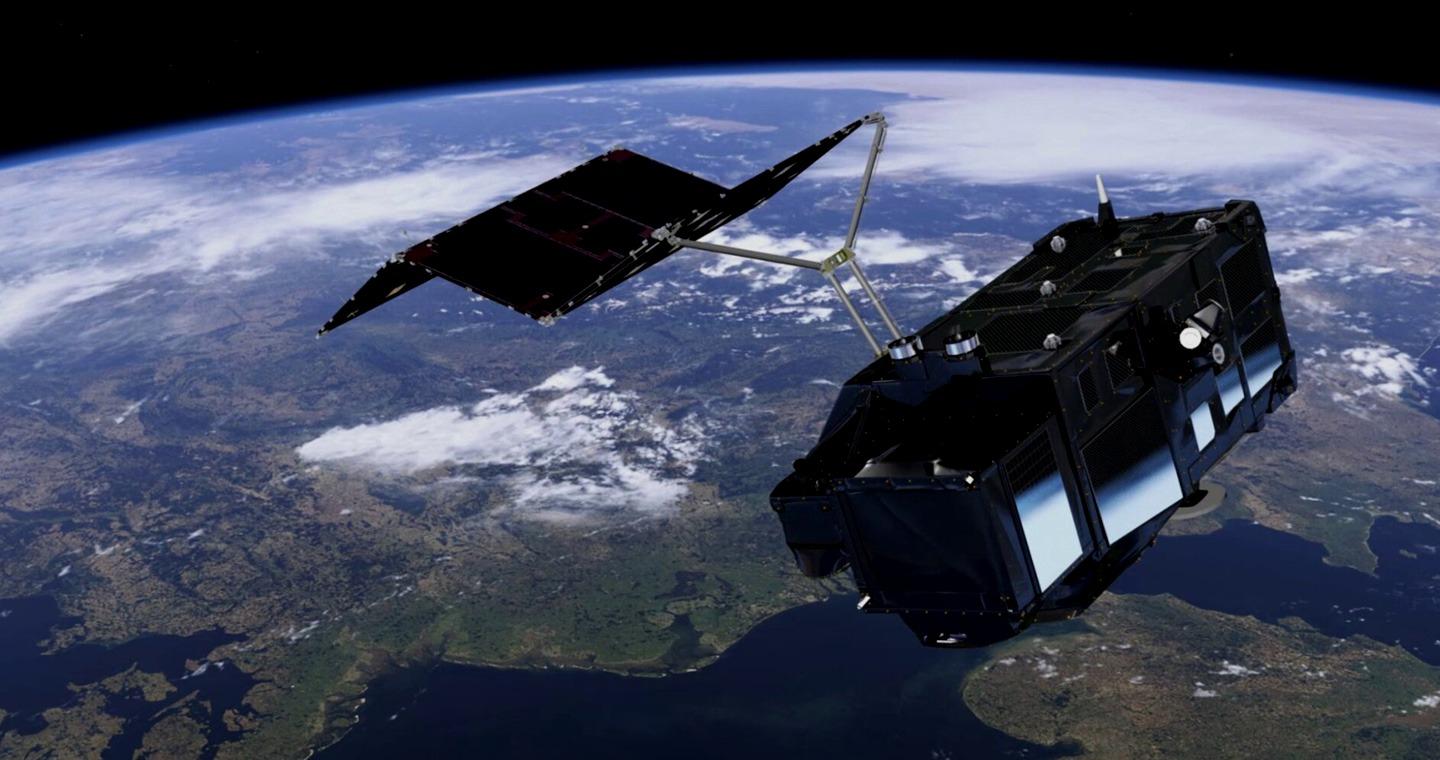
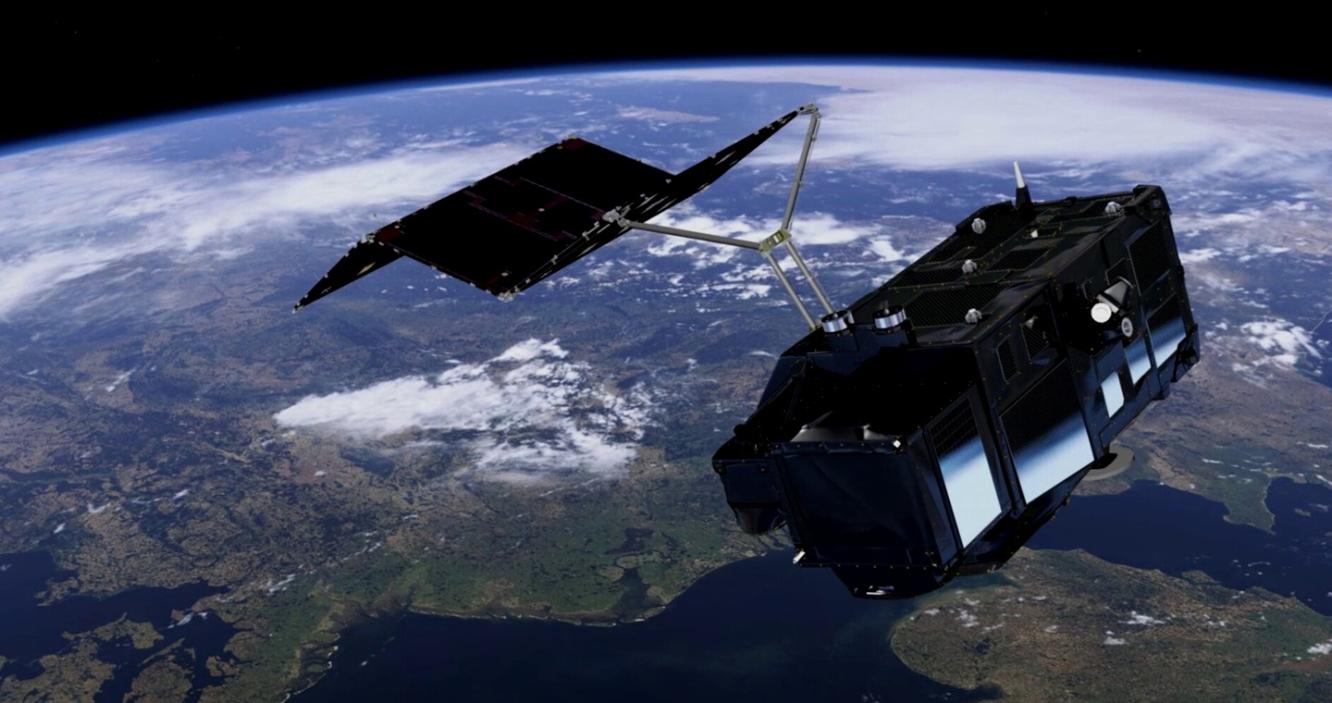
The two Sentinel-3 mission satellites, launched in 2016 and 2018, belong to the European Copernicus programme to monitor the Earth’s environment managed by the ESA and the European Commission.

When fully operational the mission, for which Telespazio is responsible for the operations, maintenance and development of the ground segment for data processing, will comprise 4 satellites (for which the prime construction contractor is Thales Alenia Space, a joint venture between Thales 67% and Leonardo 33%) equipped with systems to monitor the oceans, the atmosphere and the Earth’s surface.

Among these the SLSTR (Sea and Land Surface Temperature Radiometer), developed by Leonardo, will provide valuable meteorological and climatological support. The Sentinel-3 ground segment is capable of providing products in real time, just 3 hours after data acquisition by the on-board instruments.

The transfer of the Sentinel-3 mission's entire ground segment to the public cloud enables an optimisation of its computing resources by around 40 per cent, increasing the system’s reliability and resilience while ensuring that all users have the same amount of time to access information. 

Other News & Stories

09.07.2026
Telespazio successfully completes an important milestone for the upgrade of ASI's Sardinia Deep Space Antenna

The Sardinia Deep Space Antenna of the Italian Space Agency (ASI) is taking a decisive step toward becoming a strategic asset for Deep Space and Near Earth missions. Telespazio (Leonardo Group) has successfully completed the final milestone "EMM Delivery M4," achieving 100% of the objectives set for the activities entrusted by ASI as part of the Earth, Moon and Mars (EMM) project, funded by the Ministry of University and Research through PNRR (National Recovery and Resilience Plan) funds.

23.06.2026
Telespazio and CEiiA join forces in the Iberian space sector

Earth Observation, satellite constellations, space operations: Telespazio Iberica and CEiiA, an engineering and product development centre based in Portugal, are joining forces through a Letter of Intent aimed at strengthening the Iberian space ecosystem.

08.06.2026
Space Camp's closing event in Pescara

Space economy, education and territory take centre stage at the closing event of Space Camp, a project selected and supported by the Fund for the Digital Republic. Space Camp is delivered by Associazione Italiacamp ETS together with Telespazio (Leonardo Group), Innovalley and the "Alessandro Volta" institute in Pescara, the "Luigi di Savoia" institute in Chieti and the "Ettore Majorana" institute in Avezzano, with the scientific contribution of the British Interplanetary Society.

29.05.2026
Telespazio Communicates with the Moon

Telespazio, a Leonardo Group company, carried out a Moon-Bounce experiment on 25 May, consisting of the transmission of a radio signal from an antenna at its Lario Space Centre, in the province of Como, towards the lunar surface. The signal, reflected by our natural satellite, was sent back towards Earth and received by the Fucino Space Centre in Abruzzo, and potentially by any antenna in line-of-sight of the Moon at that moment.

09.07.2026
Telespazio successfully completes an important milestone for the upgrade of ASI's Sardinia Deep Space Antenna

The Sardinia Deep Space Antenna of the Italian Space Agency (ASI) is taking a decisive step toward becoming a strategic asset for Deep Space and Near Earth missions. Telespazio (Leonardo Group) has successfully completed the final milestone "EMM Delivery M4," achieving 100% of the objectives set for the activities entrusted by ASI as part of the Earth, Moon and Mars (EMM) project, funded by the Ministry of University and Research through PNRR (National Recovery and Resilience Plan) funds.

23.06.2026
Telespazio and CEiiA join forces in the Iberian space sector

Earth Observation, satellite constellations, space operations: Telespazio Iberica and CEiiA, an engineering and product development centre based in Portugal, are joining forces through a Letter of Intent aimed at strengthening the Iberian space ecosystem.

08.06.2026
Space Camp's closing event in Pescara

Space economy, education and territory take centre stage at the closing event of Space Camp, a project selected and supported by the Fund for the Digital Republic. Space Camp is delivered by Associazione Italiacamp ETS together with Telespazio (Leonardo Group), Innovalley and the "Alessandro Volta" institute in Pescara, the "Luigi di Savoia" institute in Chieti and the "Ettore Majorana" institute in Avezzano, with the scientific contribution of the British Interplanetary Society.

29.05.2026
Telespazio Communicates with the Moon

Telespazio, a Leonardo Group company, carried out a Moon-Bounce experiment on 25 May, consisting of the transmission of a radio signal from an antenna at its Lario Space Centre, in the province of Como, towards the lunar surface. The signal, reflected by our natural satellite, was sent back towards Earth and received by the Fucino Space Centre in Abruzzo, and potentially by any antenna in line-of-sight of the Moon at that moment.