

A book celebrating Telespazio’s 60th anniversary

25 March 2021

Quantum communications, artificial intelligence, services for Mars and the Moon. Here are some of the challenges of tomorrow collected in "Space to the Future", the book realized by Telespazio for its 60th Anniversary. 

To stretch beyond the present and describe the challenges awaiting the space industry in the coming decades. On these topics dwells "Space to the Future", the book written by journalist Emilio Cozzi and published by BFC Media - with a preface by Leonardo's CEO, Alessandro Profumo - to celebrate Telespazio's 60th anniversary.

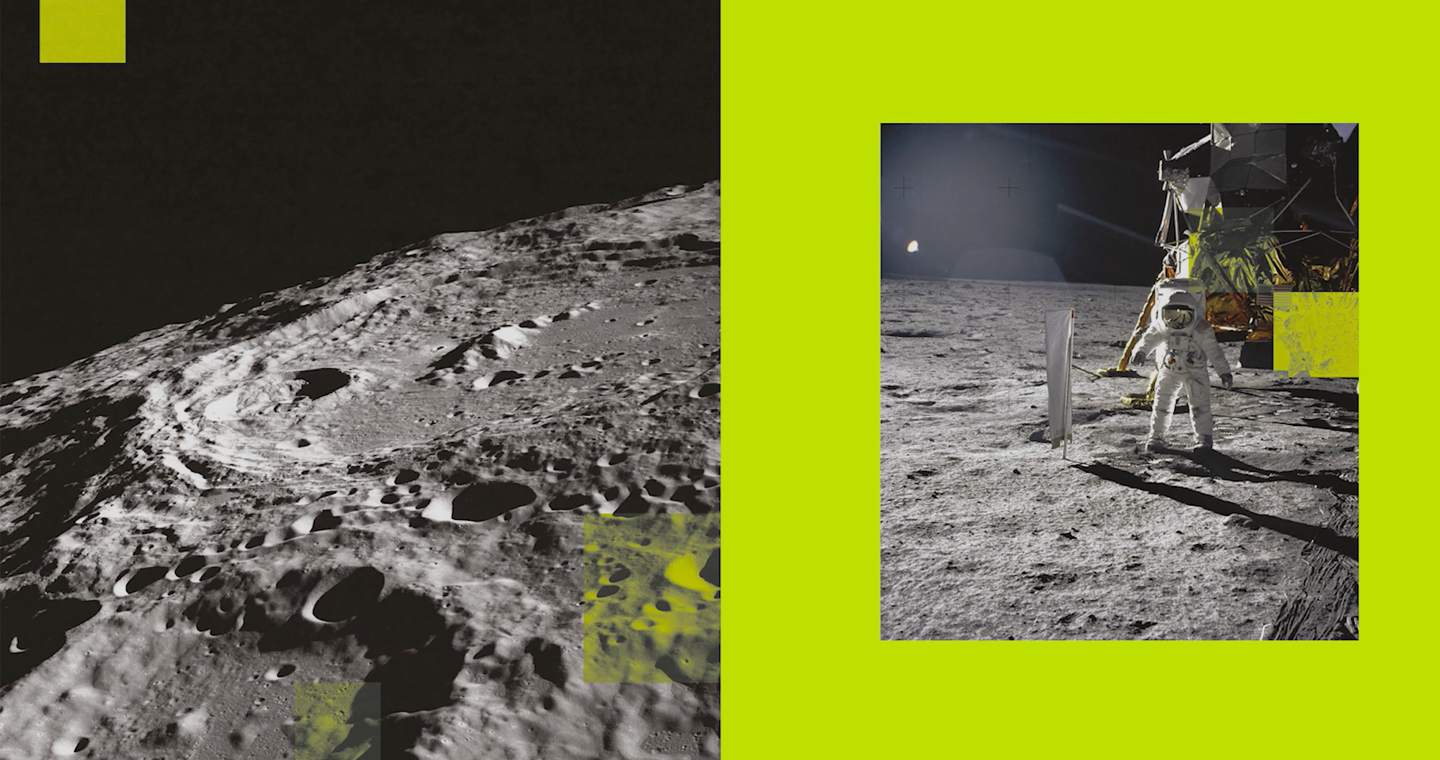
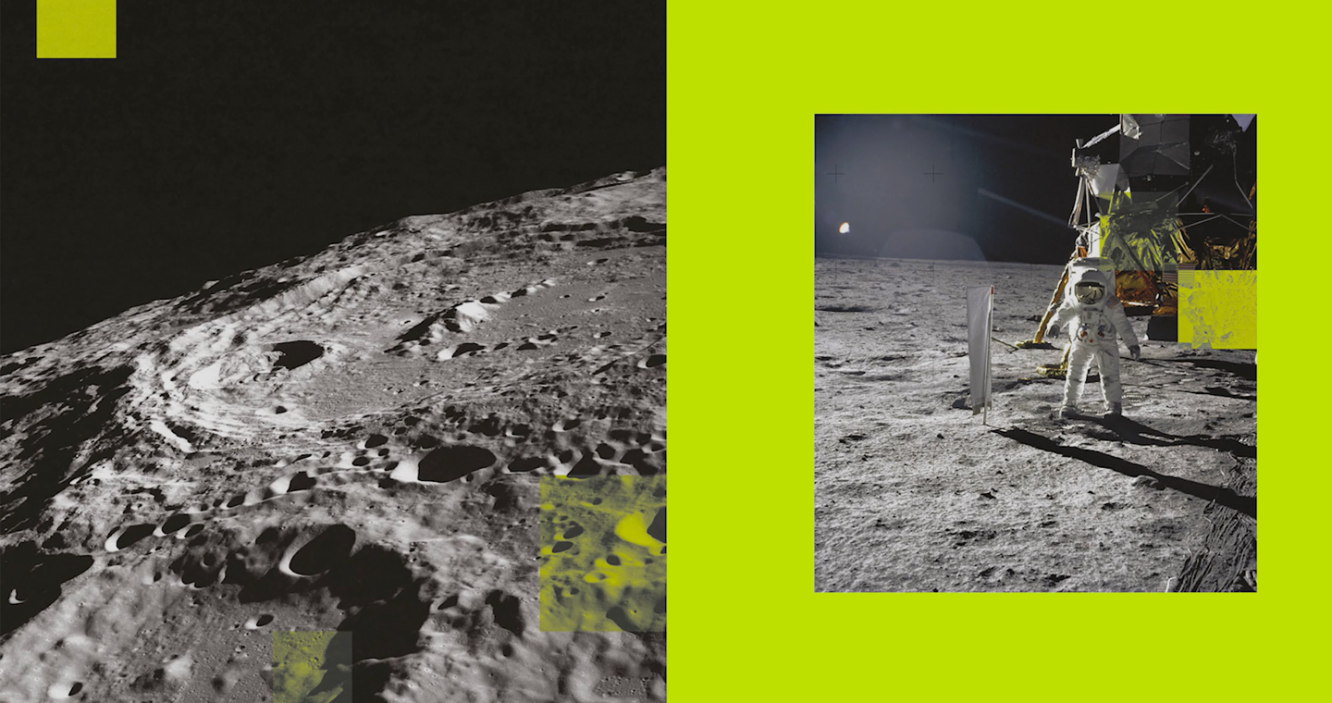
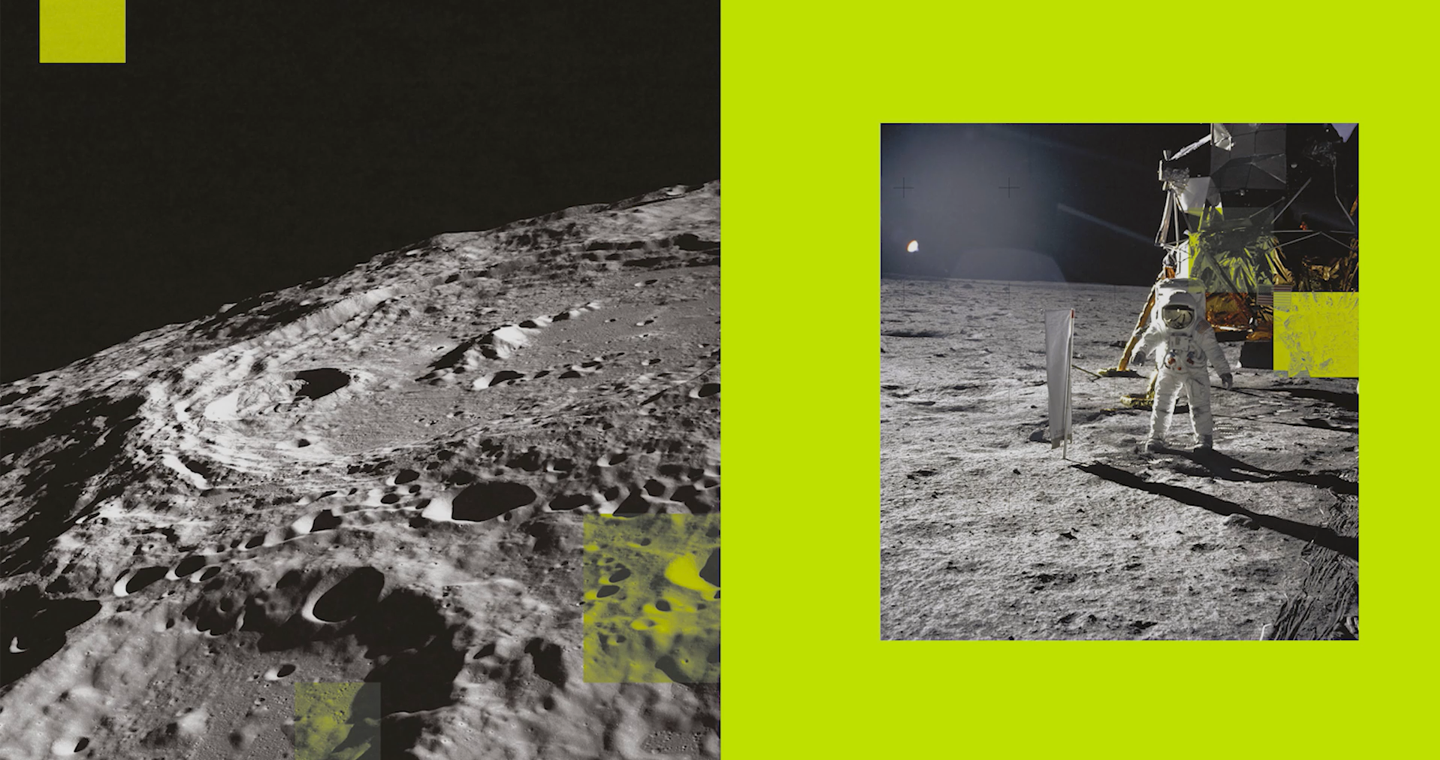
Featuring historical images sourced from the Telespazio archive and brand new photographs taken by Mattia Balsamini, the volume retraces the main stages of Italian space history - with Telespazio taking a leading role right from the start - while also offering an outlook onto the future, plotting the route for certain aspects of the space adventure in the years to come.

The story begins in 1945 with the inspiring intuition of scientist and writer Arthur C. Clarke, who first theorised the use of geostationary satellites, i.e. satellites maintaining the same position relative to the Earth's surface, to ensure communications across the planet. Clarke’s vision soon went from utopia to reality: in 1957, the launch of Sputnik, the first satellite sent into orbit by man, kicked off an adventure that in the space of a few was to change life on Earth forever.

Just four years later, on 18 October 1961, Italcable and STET established Telespazio in Rome, turning Italy into one of the first countries to participate in the establishment of new space services.

The book retraces this exciting story: from testing the first satellite-based telephone and television transmissions across the Atlantic using a parabolic dish located in the Fucino plain, in Abruzzo, to launching the first worldwide live television broadcasts, right through to the memorable images of the first man on the Moon.

And in the following decades: the development of new activities such as the in-orbit control of satellites, Earth observation from space, the Internet’s arrival in Italy, through to participation in major programmes concerned with the environment, such as COSMO-SkyMed and Copernicus, or with mobility, such as Galileo.

The past thus forms the starting point from which to pursue increasingly ambitious challenges, detailed in greater depth in the second part of the book.

How will Big Data from space, artificial intelligence, and the Internet of Things change our lives? How will we bring the Internet, satellite navigation and video calls to the Moon? Can we clean our planet's orbit from space debris and repair defective satellites without abandoning them up there, in orbit? To what use can quantum communication be put?

Far from being definitive, answers to such questions simply generate new ones, increasingly driving innovation towards the next “giant leap for mankind”.


"Telespazio was founded in 1961, drawing on the enthusiasm of a dozen technicians and engineers, real pioneers who, working on the Fucino Plain, used experimental equipment to try to receive and send back signals generated by the first satellites placed into orbit. Sixty years on, we retain the same entrepreneurial spirit as in the early days. Whether on the Moon, on Mars or elsewhere, in the years to come we will continue to strive to do what we do best: looking into the distant future to help improve all our lives. Space to the Future is not only the name of our book, but also the road we have decided to take since the start of our adventure.”

Luigi Pasquali, Coordinator of Leonardo's space activities and CEO of Telespazio

Other News & Stories

06.05.2026
Greenerwave and Telespazio France sign strategic agreement to distribute multi-orbit, low-power and sovereign satcom terminals in europe

Telespazio France, a Leonardo group company, and Greenerwave, a French deeptech company, announce the signing of a strategic agreement aimed at deploying and distributing Greenerwave’s multi-orbit, energy-efficient and sovereign SATCOM terminals across the European defense and government markets.

05.05.2026
Open Innovation in the space sector: Leonardo and Telespazio honour the winners of the seven edition of #T-Tec

The award ceremony for the seventh edition of #T-TeC was held today in Rome, at the headquarters of the Italian Space Agency (ASI). The contest is an Open Innovation competition organised by Leonardo and Telespazio to foster technological innovation in the space sector among the younger generation of students and researchers from universities around the world.

30.04.2026
40 years ago, Italy’s first connection to the Internet thanks to the antennas of the Fucino space Centre

On April 30, 1986, Italy joined the global network that in the following years would become the Internet for the first time. The connection was made possible thanks to the key role of the Fucino space Centre, whose antennas carried the signal that connected the country with the United States.

02.04.2026
New Generation Builders: Space Division’s Development program

The final event of the “New Generation Builders – Where Ideas Meet Purpose” program took place on March 10 at the Acquario Romano. The initiative brought together 80 colleagues from across the Space Division: Leonardo, Telespazio, and e-GEOS.

06.05.2026
Greenerwave and Telespazio France sign strategic agreement to distribute multi-orbit, low-power and sovereign satcom terminals in europe

Telespazio France, a Leonardo group company, and Greenerwave, a French deeptech company, announce the signing of a strategic agreement aimed at deploying and distributing Greenerwave’s multi-orbit, energy-efficient and sovereign SATCOM terminals across the European defense and government markets.

05.05.2026
Open Innovation in the space sector: Leonardo and Telespazio honour the winners of the seven edition of #T-Tec

The award ceremony for the seventh edition of #T-TeC was held today in Rome, at the headquarters of the Italian Space Agency (ASI). The contest is an Open Innovation competition organised by Leonardo and Telespazio to foster technological innovation in the space sector among the younger generation of students and researchers from universities around the world.

30.04.2026
40 years ago, Italy’s first connection to the Internet thanks to the antennas of the Fucino space Centre

On April 30, 1986, Italy joined the global network that in the following years would become the Internet for the first time. The connection was made possible thanks to the key role of the Fucino space Centre, whose antennas carried the signal that connected the country with the United States.

02.04.2026
New Generation Builders: Space Division’s Development program

The final event of the “New Generation Builders – Where Ideas Meet Purpose” program took place on March 10 at the Acquario Romano. The initiative brought together 80 colleagues from across the Space Division: Leonardo, Telespazio, and e-GEOS.