


The first study phase of ESA's HydRON project has been successfully completed

21 July 2021

The first study phase of HydRON, the ESA project led by Thales Alenia Space, for a high-performance optical network, in which Telespazio is also participating, has been successfully completed.

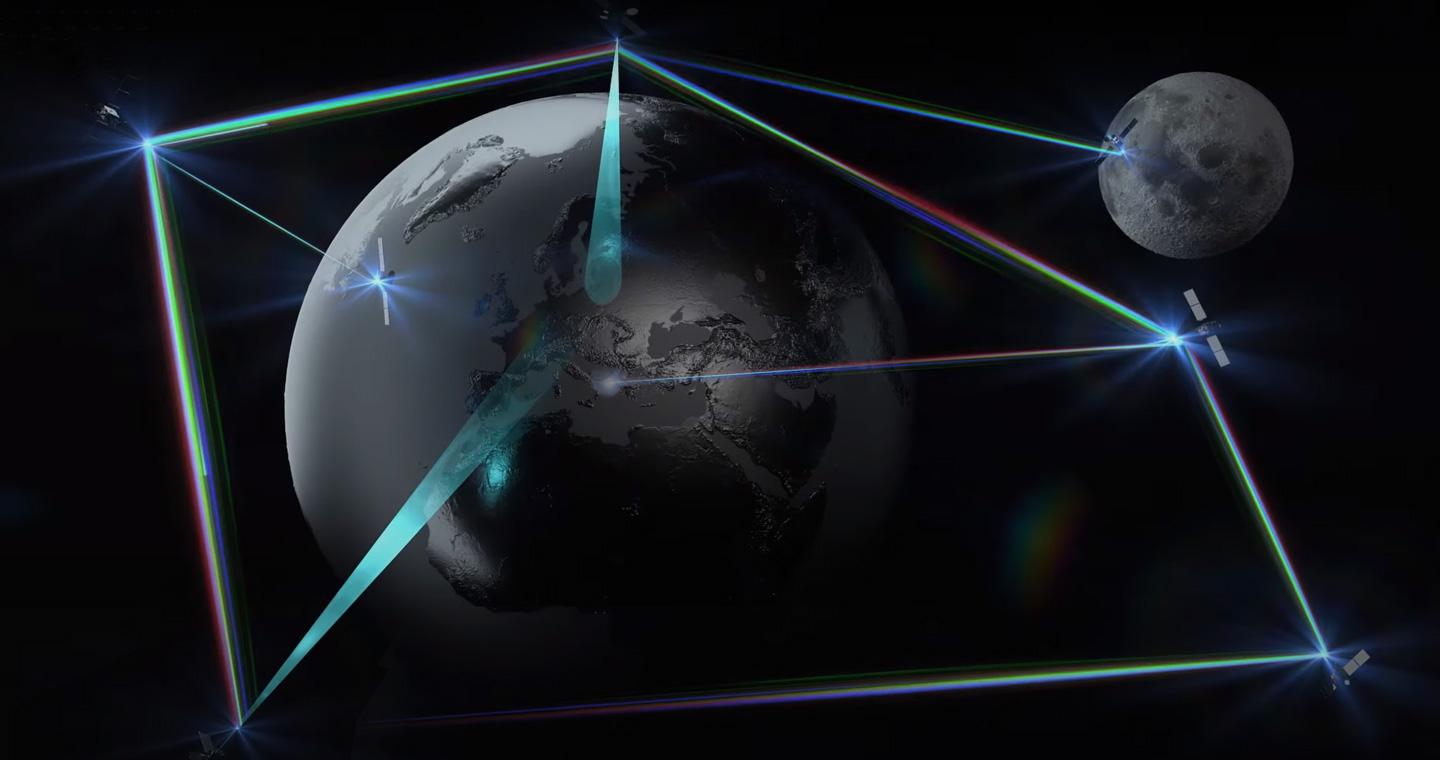
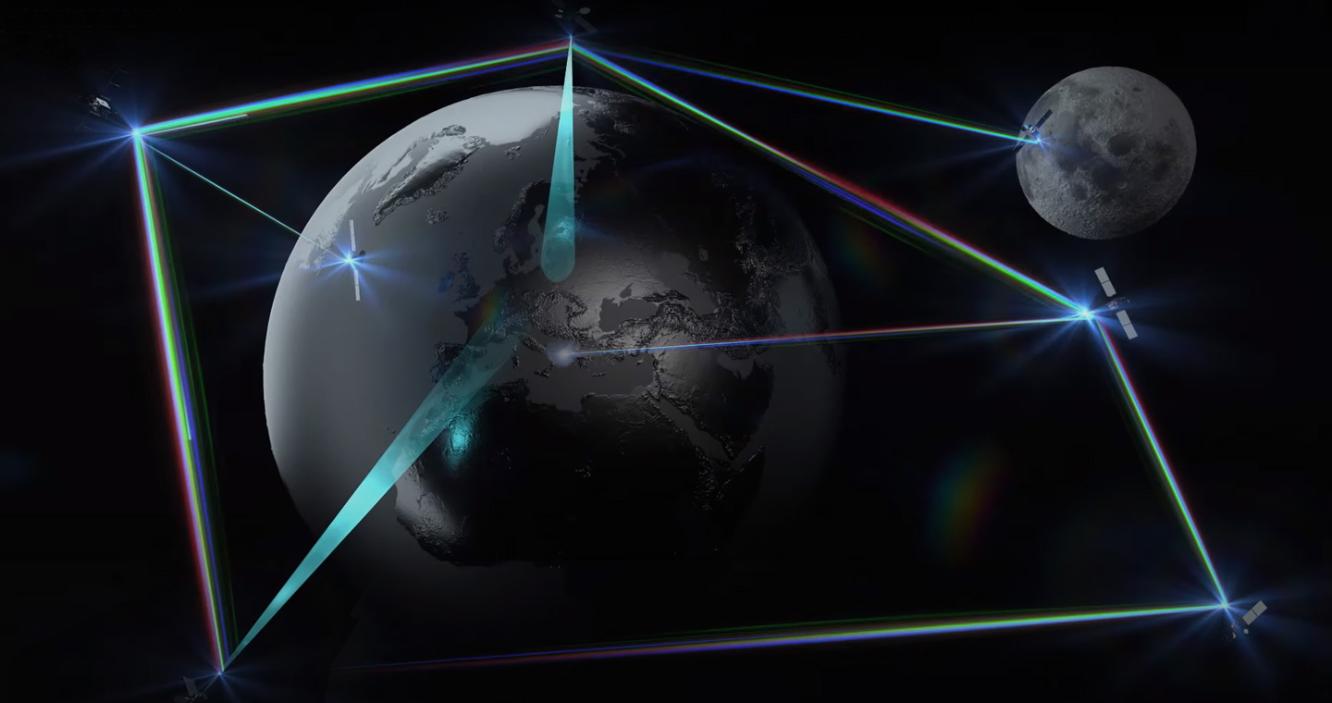
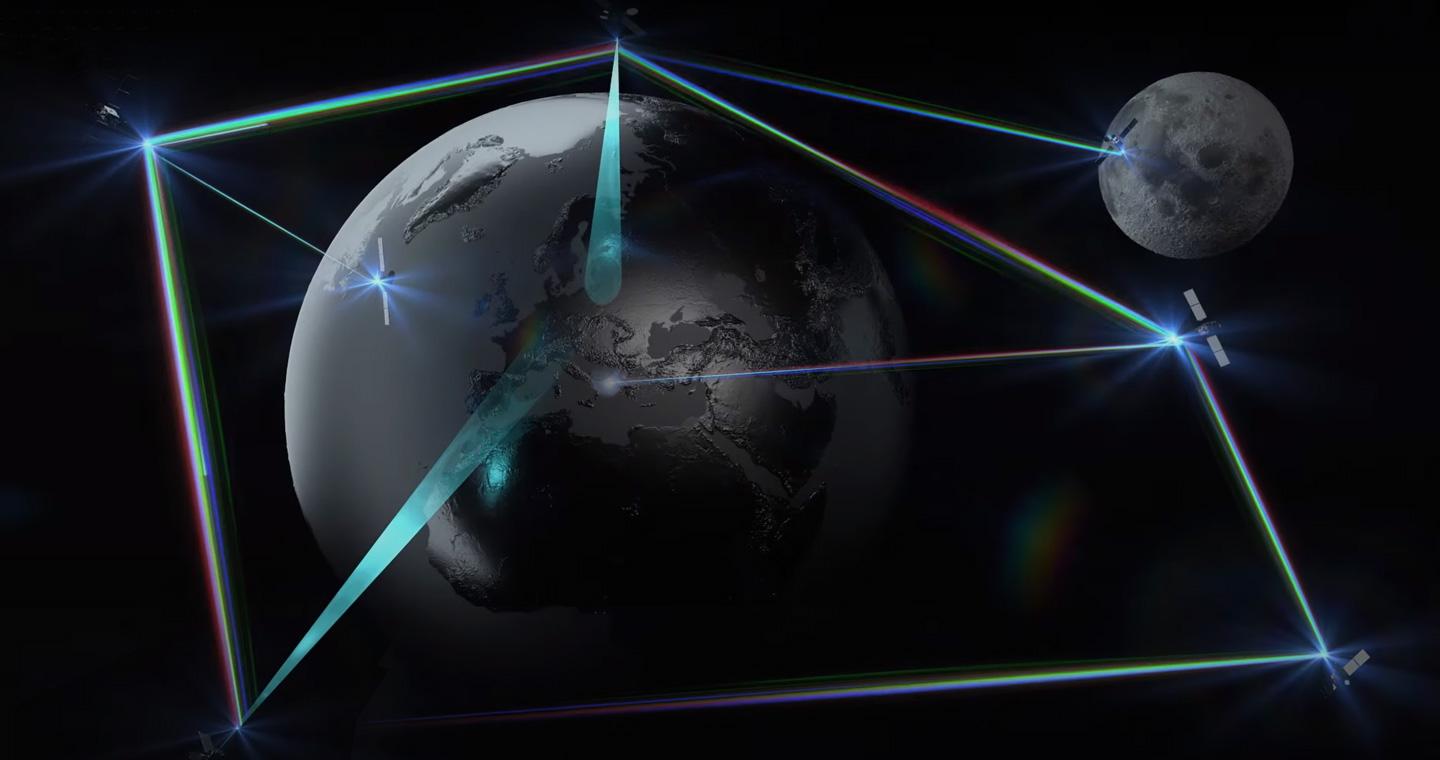
HydRON (High throughput optical satellite) is a high-throughput optical space network and forms part of ESA's ScyLight programme for secure and laser communication technology.

Laser communications are revolutionising satellite communications and ESA’s HydRON optical network will seamlessly link satellites to fiber networks on the ground, enabling reliable, instant connectivity for European citizens across the world. HydRON is a high-throughput optical space network and forms part of ESA's ScyLight programme for secure and laser communication technology.

This first phase, HyPha Study, defined early system requirements and explored network architectures, as well as the technologies necessary for future implementation.

Subsequently, activities will be carried out to build first IOD (In-Orbit Demonstrator) flight demonstrators to test and mature space optical network solutions for satellite and terrestrial operators usage, that will be operating in the future market.

Telespazio, as Satellite Operator, will play a fundamental role in defining the system architecture, thanks to its skills and professionalism gained in decades of satellite activity.

Also, Open Fiber as the “wholesale-only” infrastructure operator, providing access and transport networks, entirely in optical fiber to more than 200 operators in Italy and Sant'Anna School of Advanced Studies, an academic institution with expertise in free space communication systems FSO (Free Space Optics), are part of the project.

This initiative contributes to Europe's technological independence in connectivity services through space (Fiber in the sky / Internet beyond the Cloud(s)) and to the expansion of its capacities towards new types of services and applications (Cloud in the sky, IP Routing On-Board Satellite, extra-territorial service capacities, etc.).


About optical satellite connectivity


In FSO, lasers are used to establish a transmission link with optical receptors (photodiodes) for reception. One advantage of using lasers, or better direct and collimated links, is that these links are very difficult to intercept, assuring a naturally very secure communication process.

But above all, by exploiting the technique of wavelength multiplexing commonly used in terrestrial fiber connections, it is possible to create FSO links with capacities of hundreds of Gbit/s.

This is much higher than bandwidths of current radio-frequency technologies, thus allowing to meet increasing network bandwidth requests.

Moreover, satellite connectivity is always available in its coverage area and does not require complex infrastructure to be deployed (poles, lines, exchanges, etc.).

Recent studies show that the ultra-broadband digital connectivity demand increased significantly during the past years, and the COVID-19 pandemic has shown that it is now essential for families and businesses to have fast data connections.

By integrating seamlessly with the terrestrial optical fiber networks, satellite systems employing FSO technologies will empower telecommunications infrastructures to be able to meet growing demand, support 5G and to enable new, innovative applications using Artificial Intelligence and Internet-of-Things.

Other News & Stories

20.10.2026
e-GEOS has built the new satellite laser ranging station at the Italian Space Agency’s Matera Space Centre

The new Matera Satellite Laser Ranging (MSLR) infrastructure, developed as part of an Italian Space Agency (ASI) project, supports space geodesy through highly precise measurements. The project builds on the e-GEOS decade-long expertise in laser ranging.

15.10.2026
Telespazio’s polar site in Sodankylä is ready for operations

Acquiring satellite data and making it available to those who run space missions is the job of the two S/X-band antennas that Telespazio has installed in Sodankylä, Finland, at the Arctic Space Centre operated by the Finnish Meteorological Institute (FMI). Strategically located, the site is a benchmark for all of Finland: it hosts the country’s main infrastructure and works with the leading international players in space.

09.10.2026
Telespazio Benelux to build the ground infrastructure for ESA’s lunar ice-hunting mission

Telespazio Benelux will lead a European consortium, with EarthLab Luxembourg and Astro42, to deliver and operate the control centre for PROSPECT, ESA’s mission to drill for water ice and other volatile chemicals at the lunar south pole, with a drill developed and built by Leonardo.

08.10.2026
e-GEOS: Board of Directors appoints Cristina Sgubin as Chief Executive Officer

The Board of Directors of e-GEOS, a joint venture between Telespazio (80%) and the Italian Space Agency (20%), has unanimously appointed Attorney Cristina Sgubin as Chief Executive Officer of the company. Sgubin will also be responsible for Telespazio’s Geo Information Line of Business.