

Drones for the health service: second testing phase for the transport of biomedical material completed

28 May 2021

The testing phase for the transport of biomedical material with the use of drones started last autumn by Leonardo, Telespazio, Bambino Gesù Children's Hospital and authorized by ENAC continue.

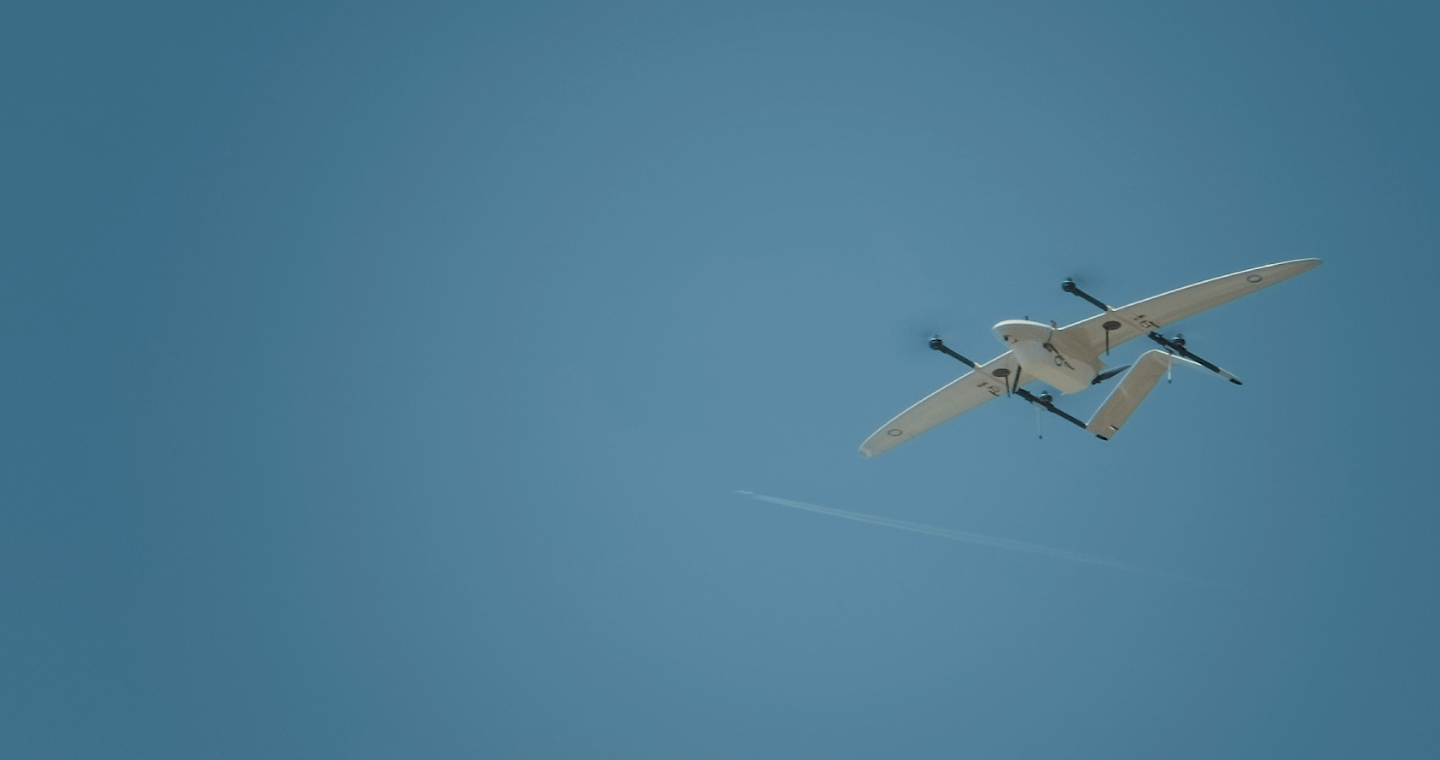
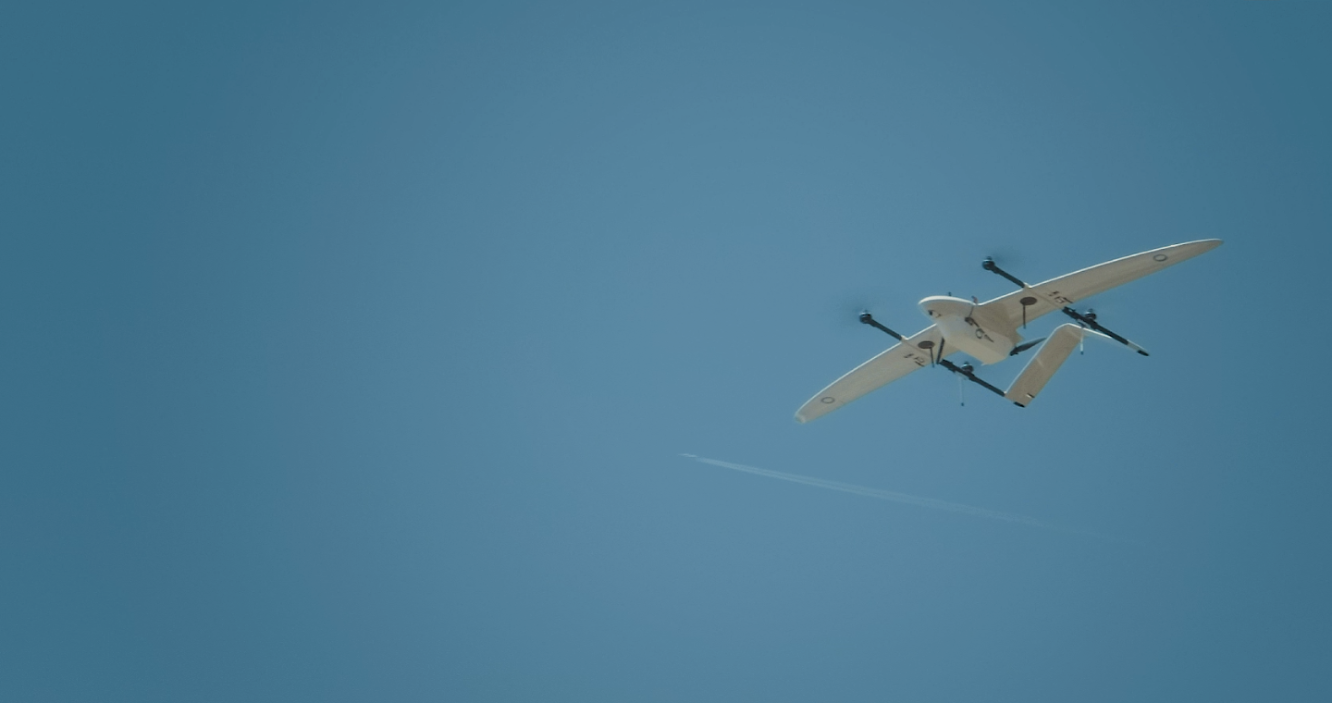
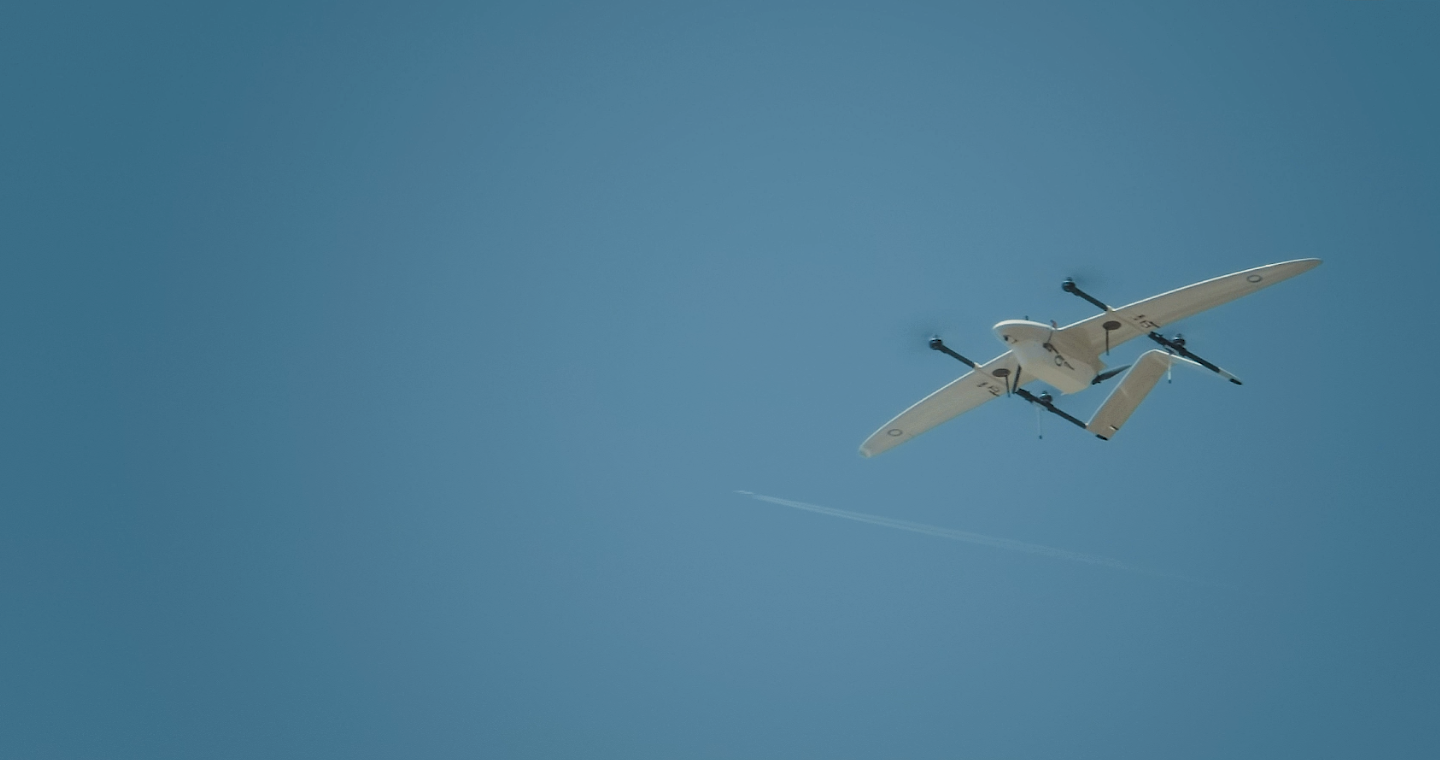
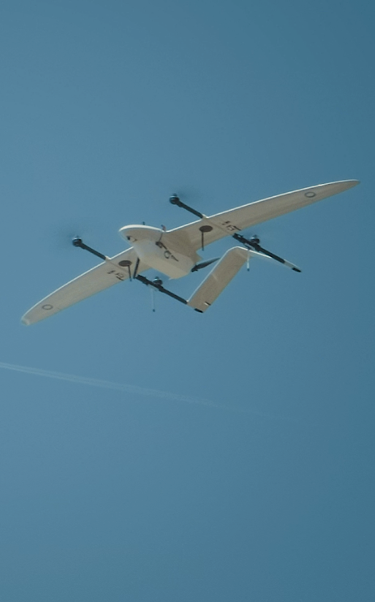
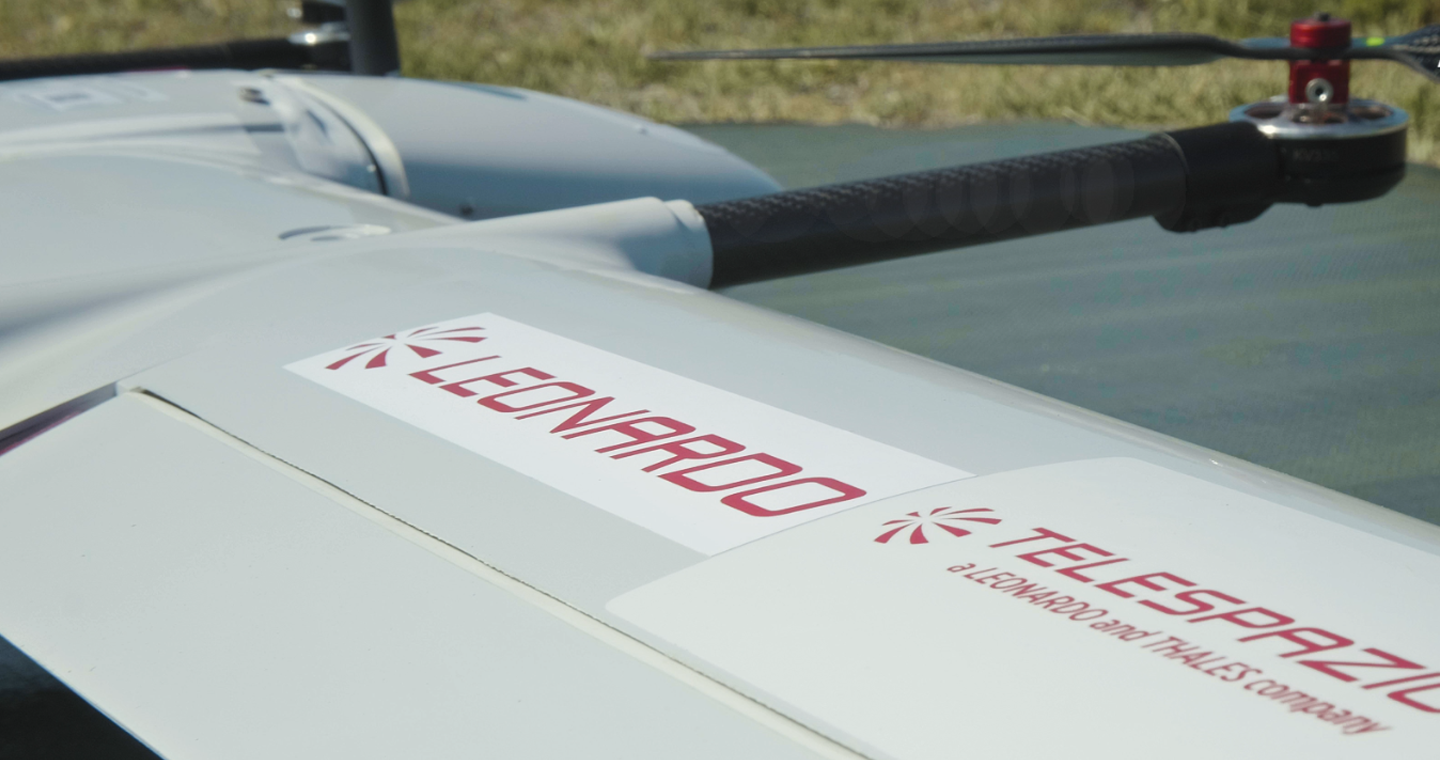
Following the previous phase, which ended successfully in October 2020, this second test saw the use of an electric drone fitted with new ‘lift and cruise’ technology – which has an automatic control mode when out of the operator's field of vision (BVLOS - Beyond Visual Line of Sight) – and the simulated transport of biomedical goods between the Santa Marinella collection centre and the Palidoro analysis centre 30km away, taking a route that was longer and passed further away from the coast.
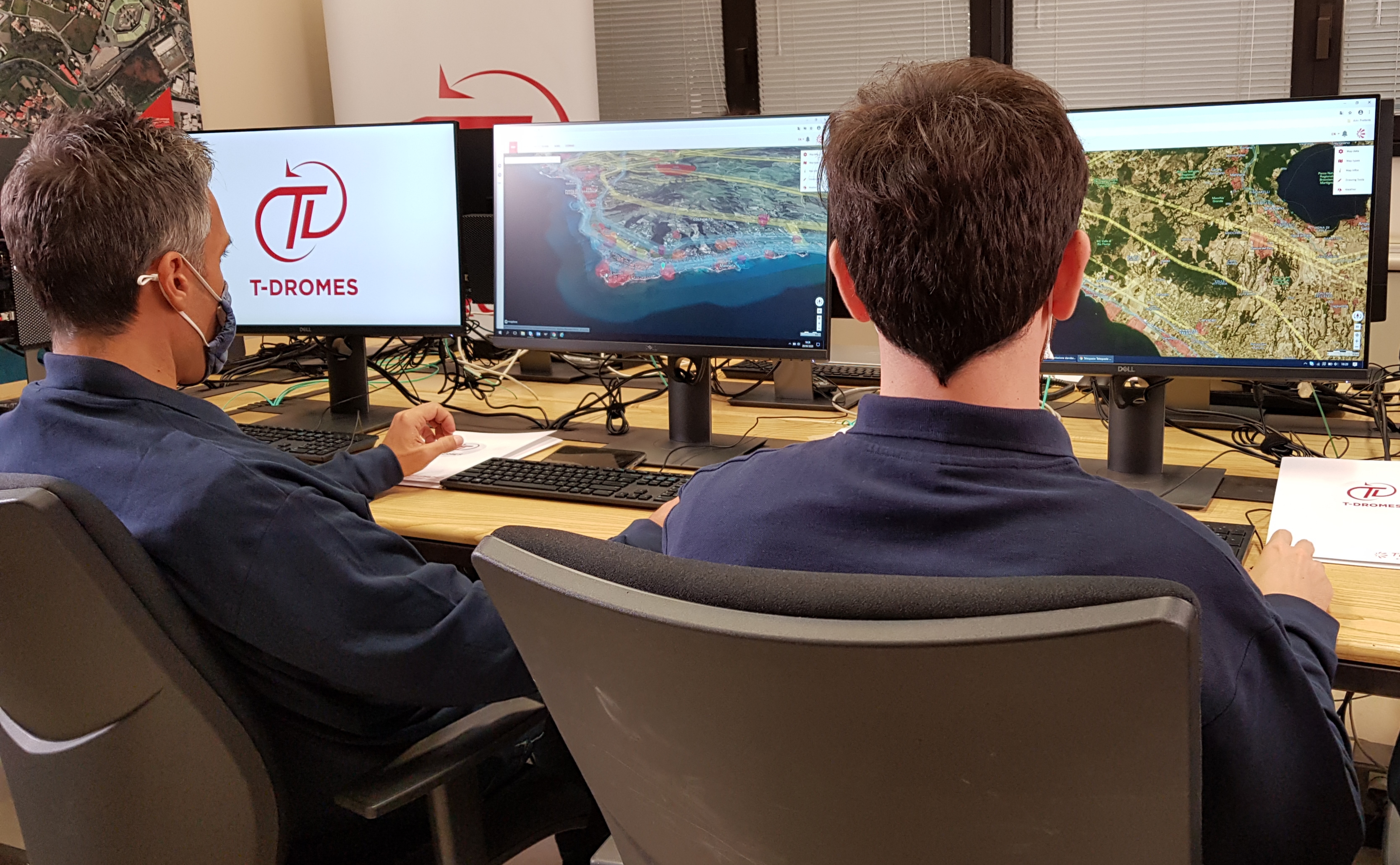
This phase also witnessed an evolution to the Telespazio T-DROMES platform, with new command and control functions for the drone via satellite. The platform will be the main interface for the healthcare operator, which will be able to request the service using a simple app.

This is one of the first demonstrations in Italy of biomedical goods being delivered using electrically-powered, vertical take-off drones that can access routes with a very low ecological and acoustic impact.
Further steps forward have also been taken by D-Flight’s dedicated drone traffic control platform (UTM), which will make it possible for traditional aviation and remotely piloted aircraft to coexist in the same airspace. This is made possible through the D-Flight platform’s innovative drone-tracking service which, through its operations room, enables coordination between drone operators and traditional air traffic control (ATC) authorities.

The Italian Air Force also took part in this test phase with a helicopter from the 85° Centro SAR of the 15th Pratica di Mare Wing carrying out a simulated search and rescue mission in an area of airspace crossed by the drone's route. In this situation – technically designated ‘contingency’ by virtue of the ‘life-saving’ nature of the Air Force mission – the drone’s route was temporarily modified to ensure the safe accomplishment of both flight missions.

It was possible to reconfigure the route by sharing the airspace management procedures of the players involved at the test planning phase; this allowed for operational coordination between the manned and unmanned systems through D-Flight and the ATC authorities in charge.

The long-term objective is to extend the service carrying real biological samples - including urban environments - linking up different locations and health facilities with simultaneous operations by several drones.

Other News & Stories

18.05.2026
LarioSpace 2026 will be held from 27 September to 1 October

The fourth edition of LarioSpace, an event dedicated to the Space Economy, will take place over five days in 2026, from Sunday 27 September to Thursday 1 October 2026, with a further strengthened collaboration between Involve Space, the event organiser, and Telespazio, a Leonardo G roup company, which has hosted LarioSpace since 2024.

06.05.2026
Greenerwave and Telespazio France sign strategic agreement to distribute multi-orbit, low-power and sovereign satcom terminals in europe

Telespazio France, a Leonardo group company, and Greenerwave, a French deeptech company, announce the signing of a strategic agreement aimed at deploying and distributing Greenerwave’s multi-orbit, energy-efficient and sovereign SATCOM terminals across the European defense and government markets.

05.05.2026
Open Innovation in the space sector: Leonardo and Telespazio honour the winners of the seven edition of #T-Tec

The award ceremony for the seventh edition of #T-TeC was held today in Rome, at the headquarters of the Italian Space Agency (ASI). The contest is an Open Innovation competition organised by Leonardo and Telespazio to foster technological innovation in the space sector among the younger generation of students and researchers from universities around the world.

30.04.2026
40 years ago, Italy’s first connection to the Internet thanks to the antennas of the Fucino space Centre

On April 30, 1986, Italy joined the global network that in the following years would become the Internet for the first time. The connection was made possible thanks to the key role of the Fucino space Centre, whose antennas carried the signal that connected the country with the United States.

18.05.2026
LarioSpace 2026 will be held from 27 September to 1 October

The fourth edition of LarioSpace, an event dedicated to the Space Economy, will take place over five days in 2026, from Sunday 27 September to Thursday 1 October 2026, with a further strengthened collaboration between Involve Space, the event organiser, and Telespazio, a Leonardo G roup company, which has hosted LarioSpace since 2024.

06.05.2026
Greenerwave and Telespazio France sign strategic agreement to distribute multi-orbit, low-power and sovereign satcom terminals in europe

Telespazio France, a Leonardo group company, and Greenerwave, a French deeptech company, announce the signing of a strategic agreement aimed at deploying and distributing Greenerwave’s multi-orbit, energy-efficient and sovereign SATCOM terminals across the European defense and government markets.

05.05.2026
Open Innovation in the space sector: Leonardo and Telespazio honour the winners of the seven edition of #T-Tec

The award ceremony for the seventh edition of #T-TeC was held today in Rome, at the headquarters of the Italian Space Agency (ASI). The contest is an Open Innovation competition organised by Leonardo and Telespazio to foster technological innovation in the space sector among the younger generation of students and researchers from universities around the world.

30.04.2026
40 years ago, Italy’s first connection to the Internet thanks to the antennas of the Fucino space Centre

On April 30, 1986, Italy joined the global network that in the following years would become the Internet for the first time. The connection was made possible thanks to the key role of the Fucino space Centre, whose antennas carried the signal that connected the country with the United States.