

Telespazio will contribute to the management of operations and the ground segment of the Copernicus programme's Sentinel-1 mission

Rome  30 December 2015

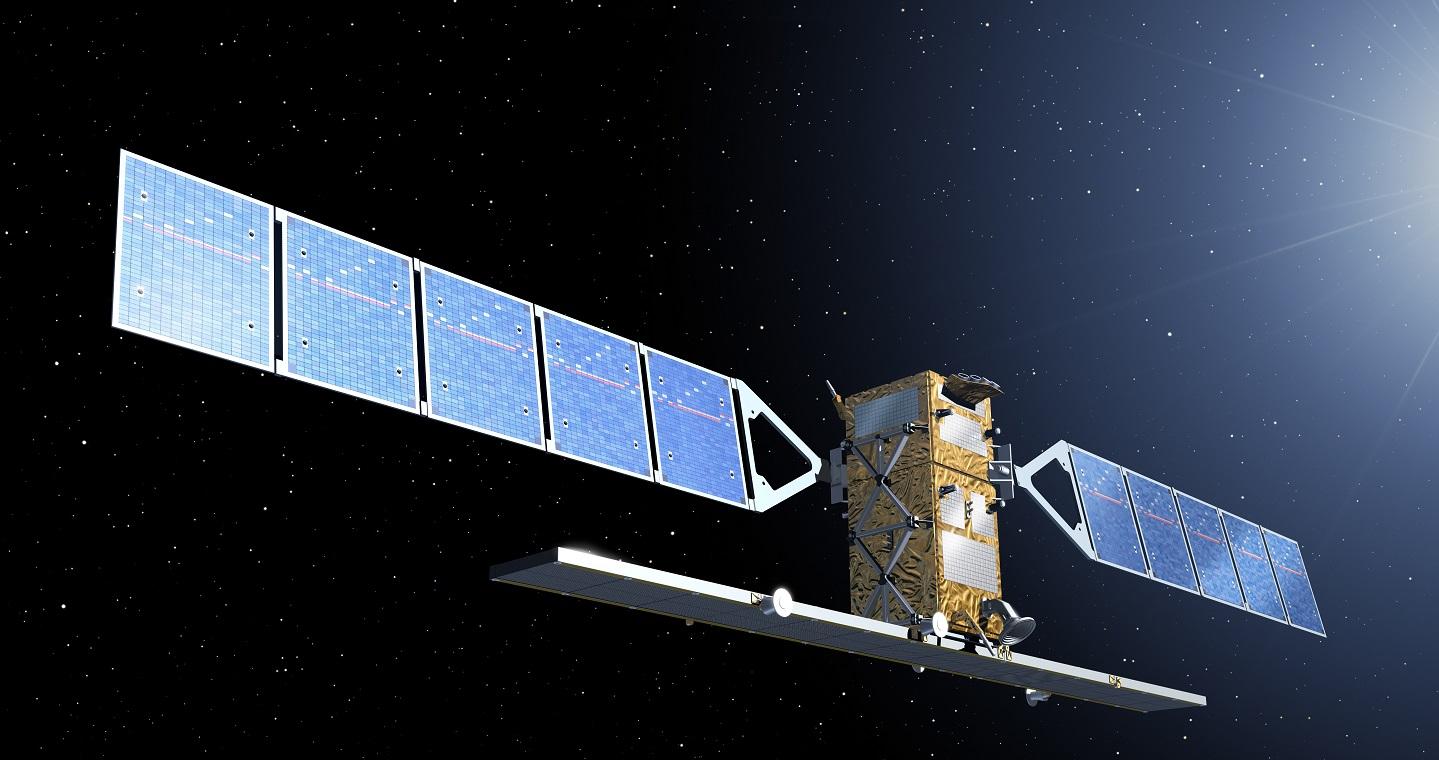
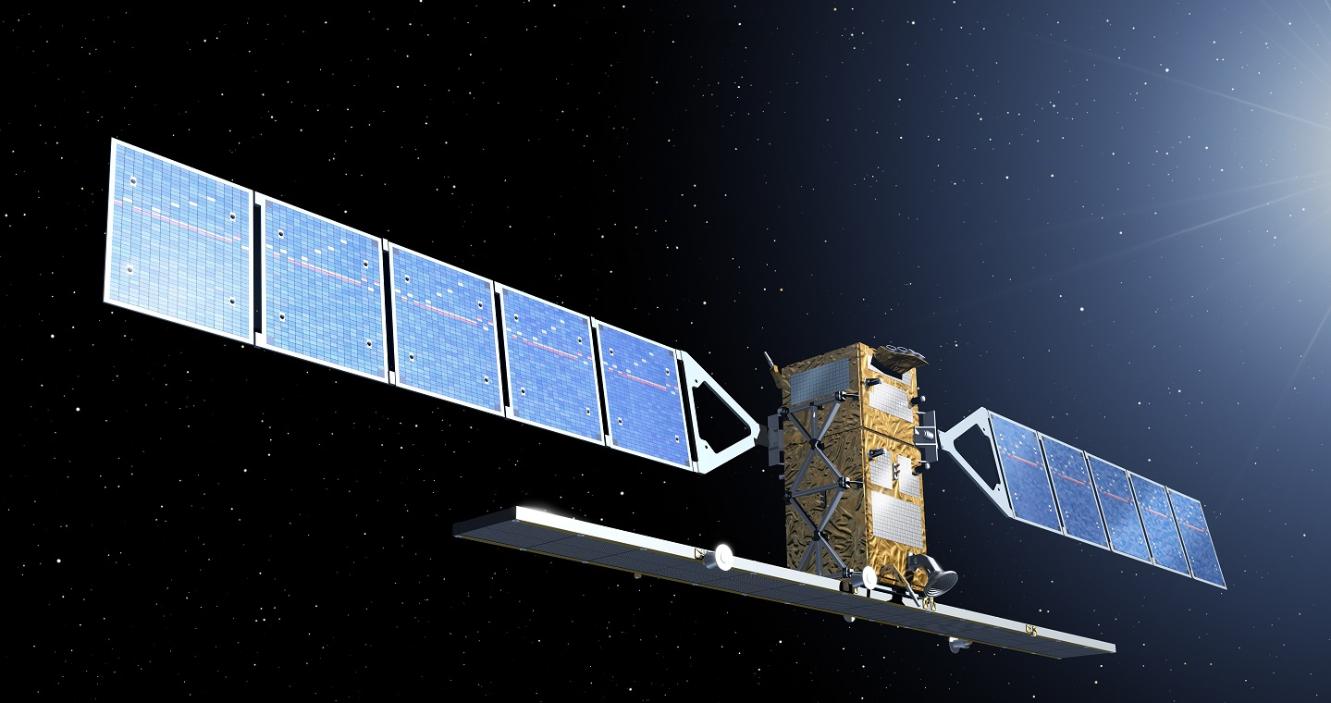
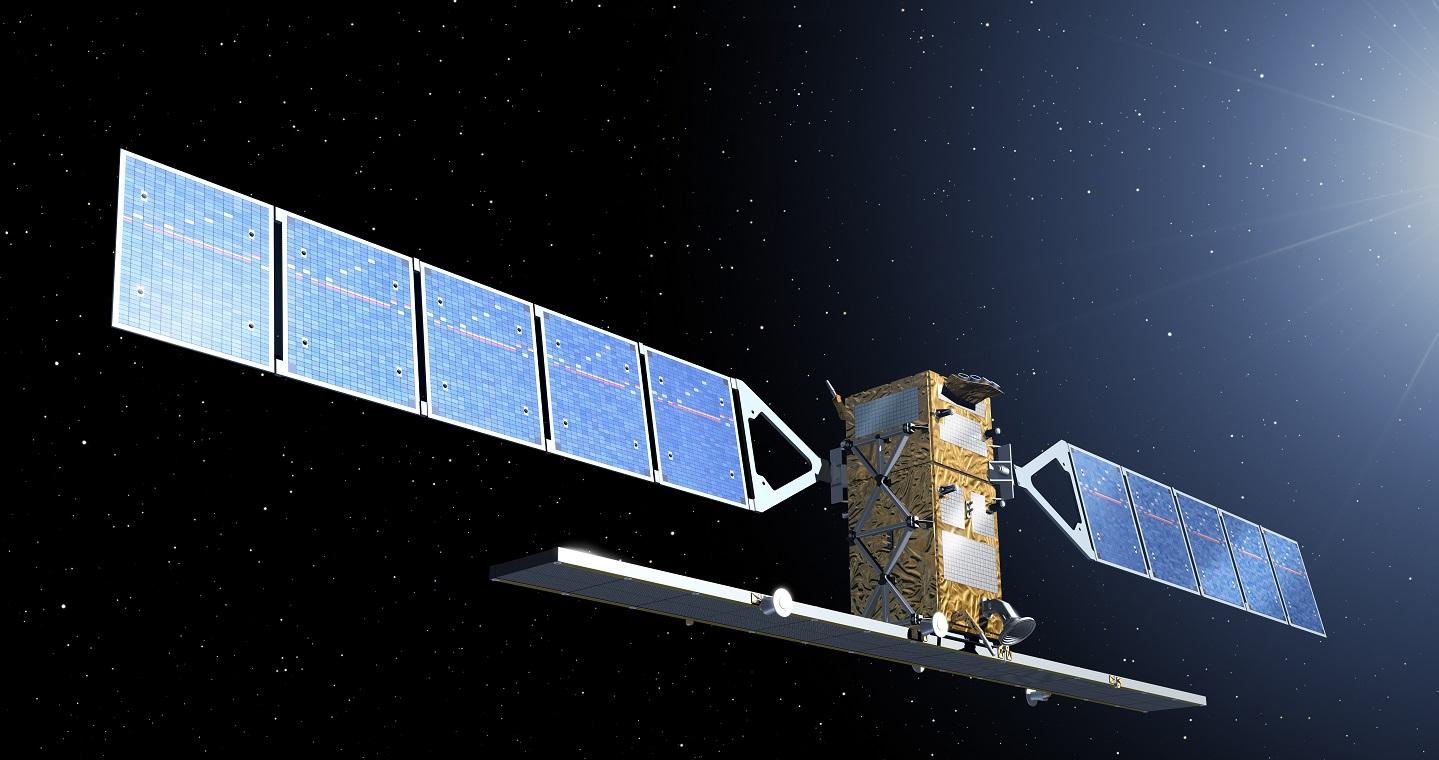
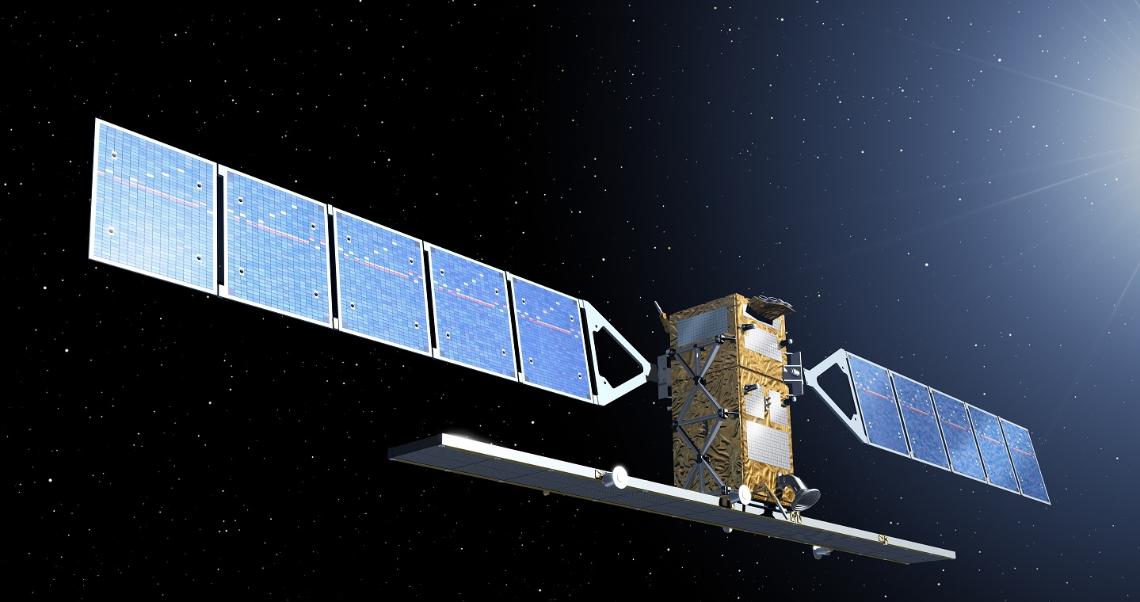
Finmeccanica-Telespazio has been awarded a contract by the European Space Agency (ESA) with a duration extending until 2020, to support the operations and the corrective and evolving maintenance of the Sentinel-1 mission's ground segment as part of the Copernicus programme, the European Earth Observation Programme.

Specifically, Telespazio will be responsible for the assembly, integration and validation, engineering support for the network infrastructure and ICT security, preparation for the operations, and maintenance of the support tools. The subsidiary Telespazio France also plays a role in safety, operations, development, and maintenance.

The Italian Group's role expands from already being in charge, through Thales Alenia Space (Thales 67%, Finmeccanica 33%), of the design, development, integration, and testing of the Sentinel-1 satellites, and, through Selex ES, supplying payloads and hi-tech sensors on board the "sentinels" that watch over our planet's health.

The contract was awarded to the company in a consortium led by Airbus Defence and Space, and it represents for Telespazio a further international success in an extremely competitive market, demonstrating the high technical level offered by the company.

The Sentinel-1 mission is based on a constellation of four satellites equipped with a C-band synthetic aperture radar. Sentinel-1A was launched in April 2014, Sentinel-1B will be put into orbit in 2016, while Sentinel-1C and 1D will be launched progressively starting from 2021. The main objectives of the Sentinel-1 mission are the mapping of urban areas and environmental impacts, monitoring risks from movements of the Earth's surface, monitoring the marine environment, maritime safety, monitoring sea ice, monitoring forests and climate change.

Other News & Stories

06.10.2026
ispace, Leonardo and Telespazio Sign Memorandum of Understanding to Collaborate on Lunar Exploration
  • The MoU builds on existing cooperation between ispace and Telespazio further expanding the areas of potential cooperation also leveraging on Leonardo space capabilities in robotics and AI applied to space exploration, strengthening Europe’s and Japan roles in the emerging cislunar economy.

  • The partnership will advance interoperability of lunar infrastructure and services to support global lunar exploration and explore ispace’s lunar transportation capabilities, with the European Space Agency’s Moonlight programme led by Telespazio, part of Leonardo Group, being the first opportunity to implement it.

25.09.2026
Fucino Space Centre: from the first "ping" to the future of the Internet

Prof. Luciano Lenzini, a pioneer in bringing the Internet to Italy, met with Telespazio engineers and technicians at the Fucino Space Centre, through which the first Internet link between Italy and the United States passed 40 years ago.

21.09.2026
Connectivity: results of the satellite trial in Lombardy presented in Milan

Connecting entire villages to the national network through an infrastructure that combines satellite, fiber and wireless connections, in order to bring quality digital services even to the hardest-to-reach areas. This is the goal of the trial carried out in Lombardy, whose preliminary results were presented at the Milan office of the Department for Digital Transformation. Telespazio took part in the initiative by developing a proprietary backhauling solution that aggregates multiple satellite links.

15.09.2026
FLEX and Sentinel-3C in Orbit: Leonardo and Telespazio's Contribution to ESA's Earth Observation Missions

On September 15th 2026, at 03:21 Italian time, the FLEX and Copernicus Sentinel-3C satellites of the European Space Agency (ESA) successfully launched from Europe's Spaceport in Kourou, French Guiana. Both travelled aboard the same launcher, Avio's Vega-C, and are now flying in tandem orbit, spaced roughly ten seconds apart, at an altitude of around 800 kilometres.

06.10.2026
ispace, Leonardo and Telespazio Sign Memorandum of Understanding to Collaborate on Lunar Exploration
  • The MoU builds on existing cooperation between ispace and Telespazio further expanding the areas of potential cooperation also leveraging on Leonardo space capabilities in robotics and AI applied to space exploration, strengthening Europe’s and Japan roles in the emerging cislunar economy.

  • The partnership will advance interoperability of lunar infrastructure and services to support global lunar exploration and explore ispace’s lunar transportation capabilities, with the European Space Agency’s Moonlight programme led by Telespazio, part of Leonardo Group, being the first opportunity to implement it.

25.09.2026
Fucino Space Centre: from the first "ping" to the future of the Internet

Prof. Luciano Lenzini, a pioneer in bringing the Internet to Italy, met with Telespazio engineers and technicians at the Fucino Space Centre, through which the first Internet link between Italy and the United States passed 40 years ago.

21.09.2026
Connectivity: results of the satellite trial in Lombardy presented in Milan

Connecting entire villages to the national network through an infrastructure that combines satellite, fiber and wireless connections, in order to bring quality digital services even to the hardest-to-reach areas. This is the goal of the trial carried out in Lombardy, whose preliminary results were presented at the Milan office of the Department for Digital Transformation. Telespazio took part in the initiative by developing a proprietary backhauling solution that aggregates multiple satellite links.

15.09.2026
FLEX and Sentinel-3C in Orbit: Leonardo and Telespazio's Contribution to ESA's Earth Observation Missions

On September 15th 2026, at 03:21 Italian time, the FLEX and Copernicus Sentinel-3C satellites of the European Space Agency (ESA) successfully launched from Europe's Spaceport in Kourou, French Guiana. Both travelled aboard the same launcher, Avio's Vega-C, and are now flying in tandem orbit, spaced roughly ten seconds apart, at an altitude of around 800 kilometres.