

COSMO-SkyMed Second Generation: the first images from the new satellite give us an even sharper picture of our Planet

Rome  09 March 2020

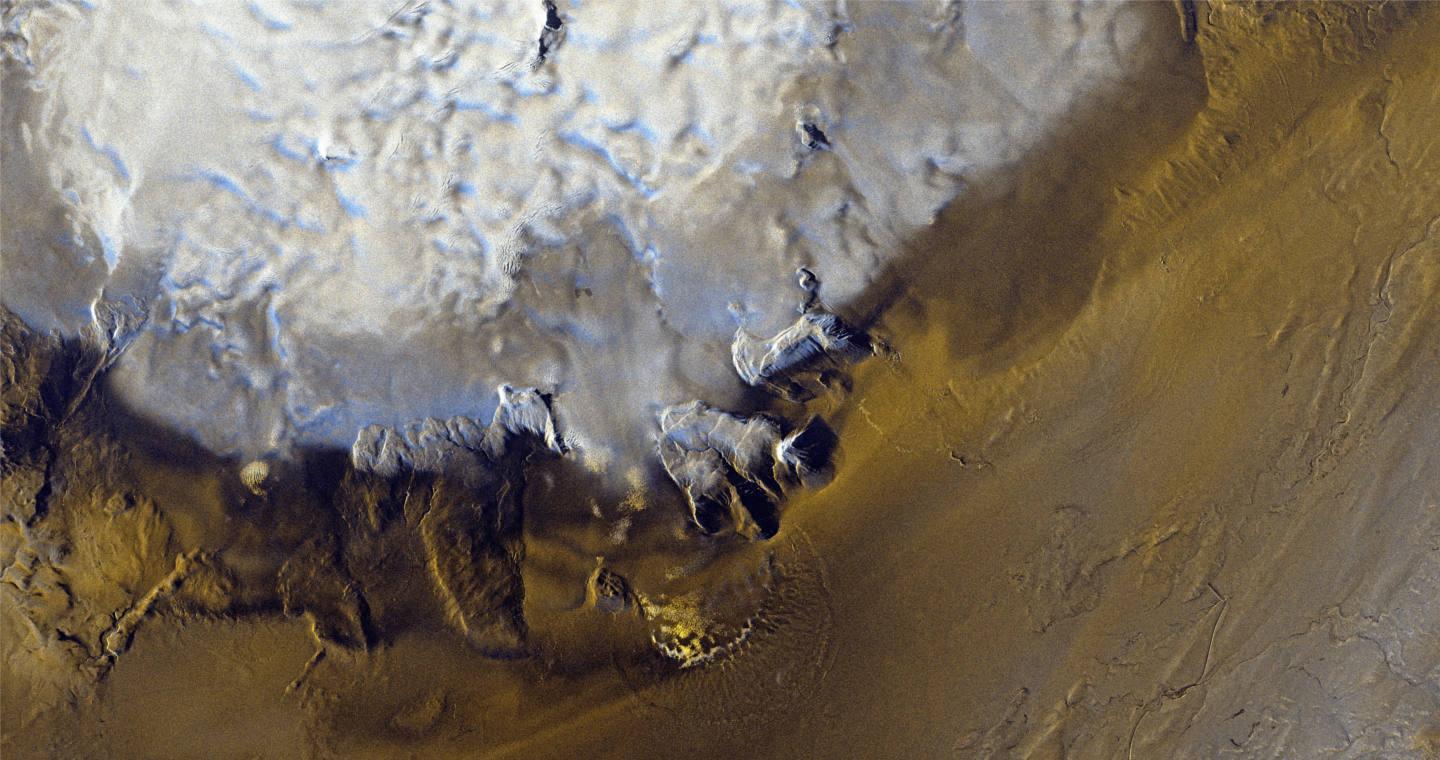
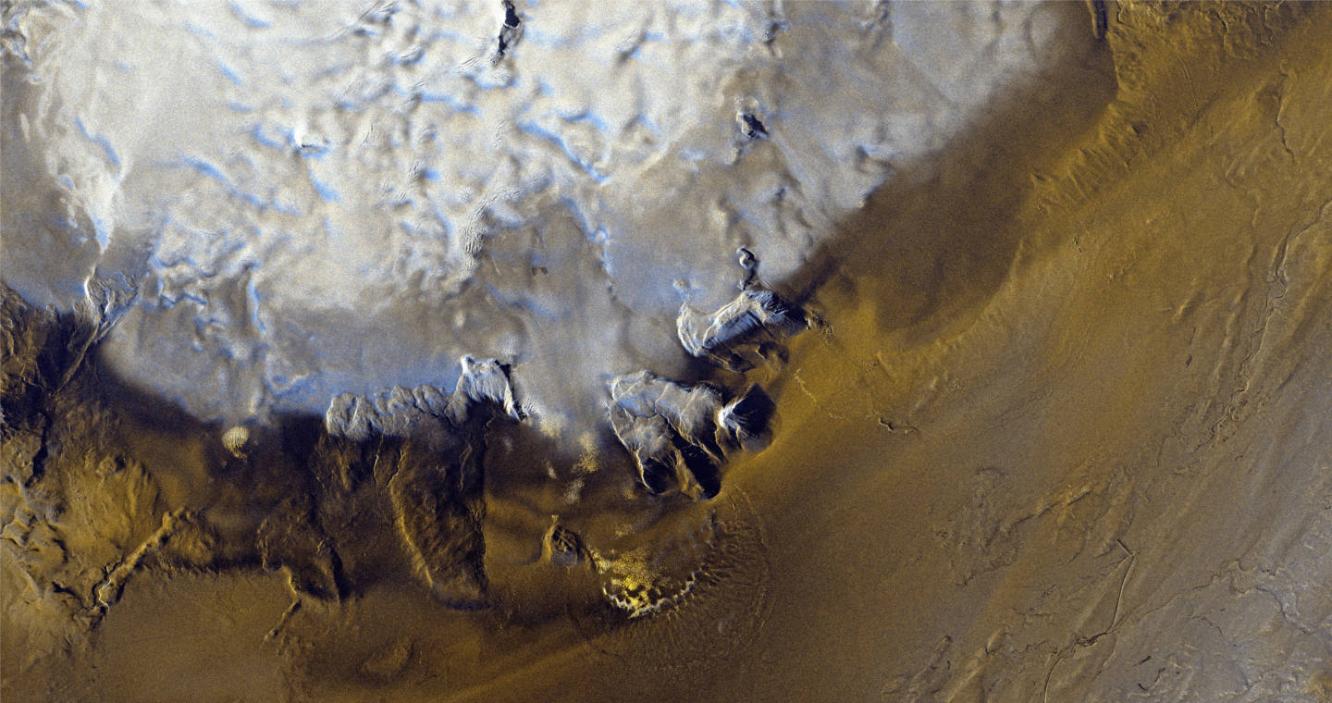
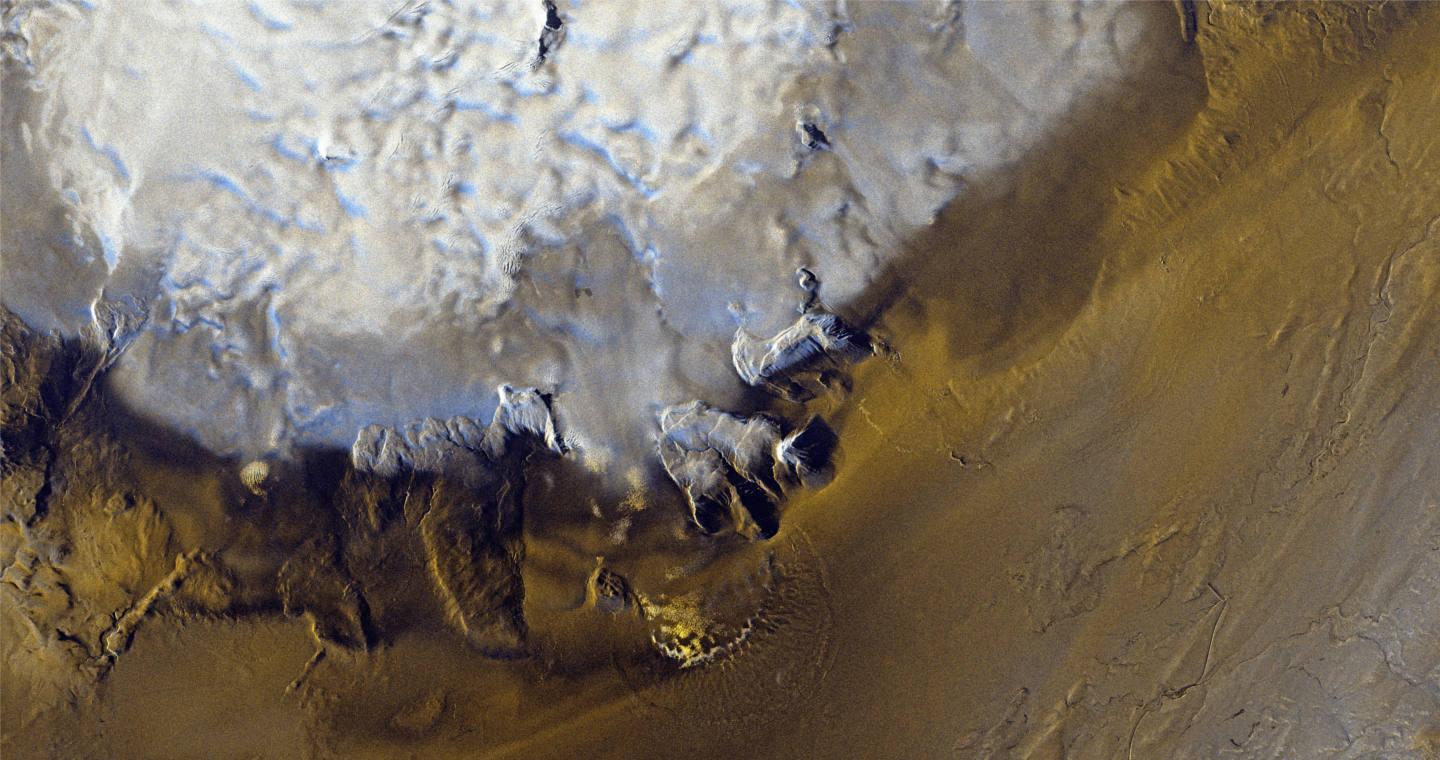
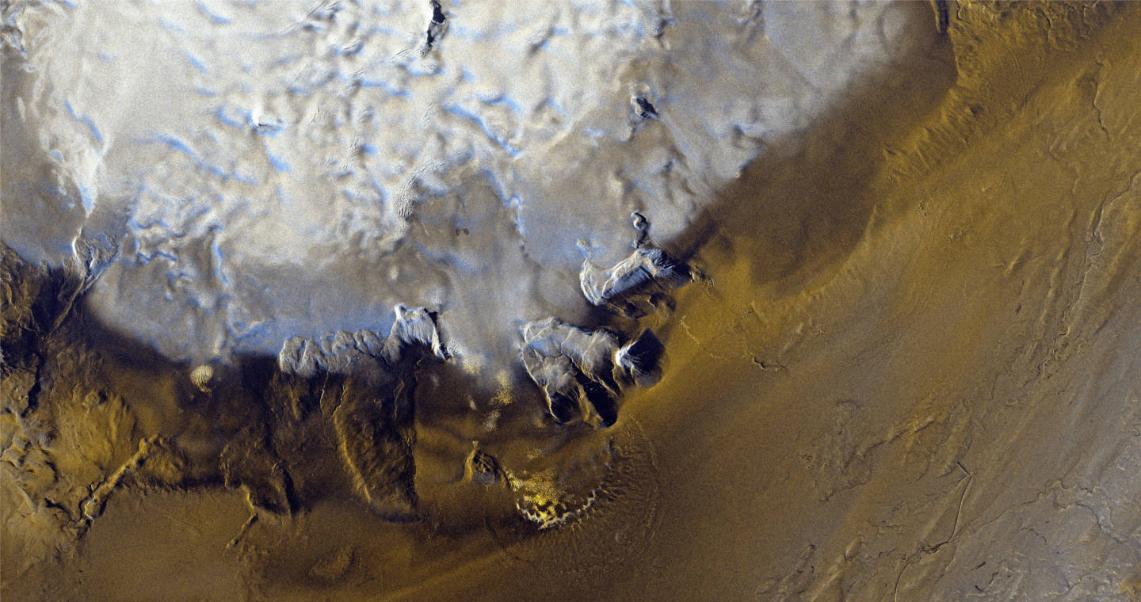
The first images of the COSMO-SkyMed Second Generation (CSG) mission for radar Earth observation highlight, even to an untrained eye, the innovative features present in the data that will make it possible to use the system for a wide range of applications to the benefit of a growing number of users

The ability to measure the different polarizations of the signal allows the radar to characterize the nature of the territory observed and to represent it with false colour images (thus discriminating water, trees, crops, bare ground, glaciers, snow-covered ground, etc.). The very high spatial resolution and the strength of the signal sent also allows the detailed representation of very complex anthropic structures (urban or industrial environments), extracting information not only from reflective surfaces, but even from shadows.

COSMO-SkyMed Second Generation is an Earth observation satellite system of the Italian Space Agency and the Ministry of Defence, a flagship of Italian technology and innovation in the world. The first satellite was launched last December 18 from the Kourou Space Centre in French Guiana. During the subsequent in-flight test phase, the satellite was programmed to acquire the first data in the various operating modes of the SAR (Synthetic Aperture Radar) sensor. These data have been acquired and processed by the civil User Ground Segment (UGS) of the Matera Space Centre producing extraordinary images of our Planet.

The COSMO-SkyMed constellation was designed and built in Italy with an important contribution from Leonardo, through its subsidiaries and affiliates. In particular, Thales Alenia Space is responsible for the End-to-End system and the two Radar satellites, while Telespazio is responsible for the Ground Segment. In addition, Leonardo contributes to the programme by providing star trackers for satellite orientation, photovoltaic panels and electronic units for managing electrical power.

The CSG system, thanks to the technological innovations and innovative solutions introduced in the space and ground components, will guarantee significant improvements compared to the first generation, which is still operational today, in terms of performance, image quality, efficiency of services provided to civil and government users and longer service life. The high agility of the system, combined with a generational leap in technological terms, will allow a significant expansion of possible applications; they will include security and surveillance of territories and the prevention and analysis of disasters due to natural or anthropogenic causes.

The two new satellites - the second will be launched at the beginning of 2021 - together with the ground segment, represent the excellence of Earth observation systems with radar technology, both in terms of performance, such as geo-location and image resolution, and for the wide variety of dual services and applications provided to government and civil users; the contribution that the system can provide to scientific research is also significant.

COSMO-SkyMed Second Generation images, as well as First Generation ones, are marketed worldwide by e-GEOS (80% Telespazio, 20% ASI).


COSMO-SkyMed represents the most ambitious satellite Earth observation programme ever carried out by Italy, with its exceptional operational capabilities dedicated to the prevention of environmental disasters, for the study of the Earth’s surface and for safety. The system, thanks to radar technology, is able to observe the Earth from space with high resolution, in all weather and lighting conditions, both day and night. Radar images acquired during some of the most severe natural disasters, such as cyclone Nargis in Burma, hurricanes Hannah and Ike on Haiti and earthquakes in Abruzzo, Emilia Romagna and Central Italy, have been used by humanitarian organizations involved in aid to the population. COSMO-SkyMed can be used for a wide range of services and applications, including detection of marine pollution, polar ice melting, monitoring of deforestation and desertification through multi-temporal analysis.

Other News & Stories

17.12.2025
Two New Galileo Satellites Successfully Launched

Two new first-generation Galileo satellites, numbers 33 and 34, were successfully launched today aboard an Ariane 6 launcher at 06:01 (CET) Italian time from Europe’s Spaceport in Kourou, French Guiana. Galileo is Europe’s global satellite navigation system, developed by the European Union with the technical and industrial support of the European Space Agency (ESA).

16.12.2025
Love Planet Earth 2026: the Calendar by Leonardo, e-GEOS, Telespazio and Med-Or Italian Foundation on agriculture in the Mediterranean

On the occasion of 2025 Italian National Space Day, Leonardo, with e-GEOS (a joint venture 20% owned by the Italian Space Agency and 80% by Telespazio, Leonardo Group) and Telespazio (67% owned by Leonardo and 33% by Thales) present the eighteenth "Love Planet Earth" calendar, representing environmental sustainability through images taken by the COSMO-SkyMed satellites operated by the Italian Space Agency and the Italian Ministry of Defence.

11.12.2025
Leonardo, Telespazio and Intuitive Machines sign a strategic agreement for lunar communication and navigation

Leonardo, Telespazio and Intuitive Machines have signed a strategic cooperation agreement to develop interoperable infrastructures and provide communications and navigation services in support of lunar exploration.

13.11.2025
Agritech Living Lab: Telespazio at the forefront of agricultural innovation

Telespazio hosted the Agritech Living Lab at the Fucino Space Centre, an event organized within the framework of the Agritech Project, funded by the Italian Ministry of University and Research (MUR) under the National Recovery and Resilience Plan (NRRP), supported by the European Union’s NextGenerationEU initiative.

17.12.2025
Two New Galileo Satellites Successfully Launched

Two new first-generation Galileo satellites, numbers 33 and 34, were successfully launched today aboard an Ariane 6 launcher at 06:01 (CET) Italian time from Europe’s Spaceport in Kourou, French Guiana. Galileo is Europe’s global satellite navigation system, developed by the European Union with the technical and industrial support of the European Space Agency (ESA).

16.12.2025
Love Planet Earth 2026: the Calendar by Leonardo, e-GEOS, Telespazio and Med-Or Italian Foundation on agriculture in the Mediterranean

On the occasion of 2025 Italian National Space Day, Leonardo, with e-GEOS (a joint venture 20% owned by the Italian Space Agency and 80% by Telespazio, Leonardo Group) and Telespazio (67% owned by Leonardo and 33% by Thales) present the eighteenth "Love Planet Earth" calendar, representing environmental sustainability through images taken by the COSMO-SkyMed satellites operated by the Italian Space Agency and the Italian Ministry of Defence.

11.12.2025
Leonardo, Telespazio and Intuitive Machines sign a strategic agreement for lunar communication and navigation

Leonardo, Telespazio and Intuitive Machines have signed a strategic cooperation agreement to develop interoperable infrastructures and provide communications and navigation services in support of lunar exploration.

13.11.2025
Agritech Living Lab: Telespazio at the forefront of agricultural innovation

Telespazio hosted the Agritech Living Lab at the Fucino Space Centre, an event organized within the framework of the Agritech Project, funded by the Italian Ministry of University and Research (MUR) under the National Recovery and Resilience Plan (NRRP), supported by the European Union’s NextGenerationEU initiative.