

COSMO-SKYMED second generation: Thales Alenia Space and Telespazio sign contract to complete the program

Rome  08 November 2016

Thales Alenia Space and Telespazio announced today that it has signed an amendment to the original contract for the COSMO-SkyMed Second Generation (CSG) program with Italian Space Agency. Worth 77 million euros, this contract is vital, since it covers the remaining operations to complete the program. Thales Alenia Space Italy will receive 66 million euros of the total, while Telespazio will receive 11 million euros.

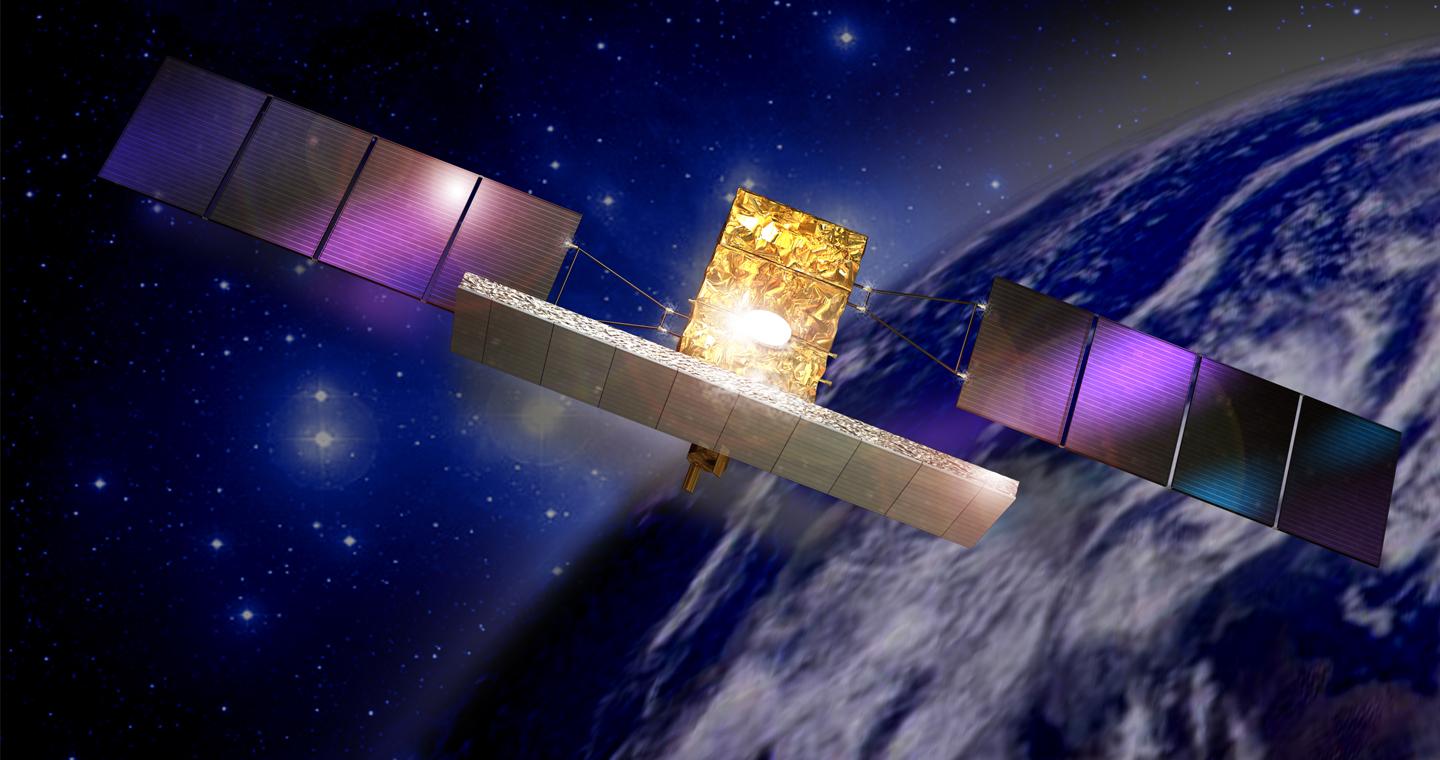
Thales Alenia Space Italy is responsible for the overall COSMO-SkyMed Second Generation program, including construction of the two satellites, while Telespazio is responsible for designing and developing the ground segment and providing the integrated logistics and operations services.

Leonardo also contributes to the program by supplying attitude sensors and state of the art equipment that will process and distribute electric power throughout the satellites.

This contract kicks off phase D2/E1 of the program, which entails all operations needed to complete construction of the second satellite (FM-2), the launch of both satellites and the verification and operational validation of the entire system with the two satellites in orbit. The launch of the first satellite is planned in 2018, with the second following a year later.

These state-of-the-art satellites feature the last technologies and engineering solutions. The overall system, including the ground segment, will set the performance standard for space-based radar observation systems, in terms of precision, image quality and flexible user services. It is designed as a “dual use" (civil/military) system, to meet the requirements of scientific, commercial and government customers.

Ever since the launch of the first satellite in 2007, the COSMO-SkyMed program has been an exceptional tool for observing our planet. With its innovative operational capabilities, it contributes to the continuous monitoring of the Earth's surface, to safety-related needs and to the management of natural events, as shown recently by the damage assessment activities and support to rescue operations following the earthquakes that hit central Italy.

The development of the COSMO-SkyMed Second Generation system will guarantee a quantum leap in terms of technology, performance and service life, consequently, strengthening Italian leadership in the Earth Observation sector on a global level. Moreover, strategic international partnerships, such as those already established with France and Poland regarding the COSMO-SkyMed reception and processing of data and data products, will also be extended.

COSMO-SkyMed, financed by the Italian space agency, Ministry of Defense and Ministry of Education, University and Research, is the first dual-use Earth observation system. Its four satellites monitor the entire Earth from space, day and night, under any weather conditions, using high-resolution X-band radars. The program was developed in conjunction with both large aerospace corporations and a number of innovative small businesses. Thales Alenia Space Italy is the prime contractor, responsible for the entire system, including both space and ground segments. Telespazio developed the ground segment and hosts the Constellation Control Center at the Fucino Space Center

Other News & Stories

02.04.2026
New Generation Builders: Space Division’s Development program

The final event of the “New Generation Builders – Where Ideas Meet Purpose” program took place on March 10 at the Acquario Romano. The initiative brought together 80 colleagues from across the Space Division: Leonardo, Telespazio, and e-GEOS.

30.03.2026
Telespazio selected to help support NASA’s Artemis II mission tracking

Telespazio, a Leonardo Group company, is among the participants selected by NASA under the NASA’s Artemis II Orion One-Way Doppler Measurements Tracking initiative, dedicated to radio-tracking activities for the Artemis II mission, the first crewed mission of the Artemis program, which will see the Orion spacecraft perform an approximately ten-day test flight around the Moon.

19.02.2026
Telespazio Ibérica awarded contract to build the Canary Islands satellite constellation

Telespazio Ibérica, the Spanish subsidiary of Telespazio (a Leonardo Group company), has been awarded the €20 million contract to develop the Canary Islands satellite constellation, the first Earth observation system created by a Spanish autonomous community. The company will lead the project, build the ground segment, and manage the constellation.

12.02.2026
Membership of the Abruzzo Aerospace District (DAAB) exceeds 60 after the first six months of activity

Strategic and Technological Plan approved at the Members’ Assembly

02.04.2026
New Generation Builders: Space Division’s Development program

The final event of the “New Generation Builders – Where Ideas Meet Purpose” program took place on March 10 at the Acquario Romano. The initiative brought together 80 colleagues from across the Space Division: Leonardo, Telespazio, and e-GEOS.

30.03.2026
Telespazio selected to help support NASA’s Artemis II mission tracking

Telespazio, a Leonardo Group company, is among the participants selected by NASA under the NASA’s Artemis II Orion One-Way Doppler Measurements Tracking initiative, dedicated to radio-tracking activities for the Artemis II mission, the first crewed mission of the Artemis program, which will see the Orion spacecraft perform an approximately ten-day test flight around the Moon.

19.02.2026
Telespazio Ibérica awarded contract to build the Canary Islands satellite constellation

Telespazio Ibérica, the Spanish subsidiary of Telespazio (a Leonardo Group company), has been awarded the €20 million contract to develop the Canary Islands satellite constellation, the first Earth observation system created by a Spanish autonomous community. The company will lead the project, build the ground segment, and manage the constellation.

12.02.2026
Membership of the Abruzzo Aerospace District (DAAB) exceeds 60 after the first six months of activity

Strategic and Technological Plan approved at the Members’ Assembly