

Telespazio at LAAD 2017

Rio de Janeiro  03 April 2017

Telespazio will be taking part in LAAD Latin America Aerospace and Defence - (L40 - Hall 3) that will be held  from April 4 to 7 at Riocentro Exhibition & Convention Center in Rio de Janeiro (Brazil). LAAD is the biggest and most important trade fair for defense and security in Latin America.

At LAAD Telespazio Brasil will demonstrate, inside the Leonardo stand (L40 – Hall 3), its geo-information services offered by the data generated from the Italian COSMO-SkyMed satellite system. During the event the company will illustrate its activities in the field of tactical military satellite communications (Milsatcom)

Telespazio is present Brasil since 1997 through its subsidiary Telespazio Brasil. With headquarters in Rio de Janeiro and regional offices in São Paulo, Porto Alegre and Cuiabá, Telespazio Brasil is today one of Brasil’s leading providers in the satellite telecommunications sector, offering a wide range of cutting-edge solutions and multimedia services for the Corporate and Government market.

Telespazio Brasil has supported the prime contractor Thales Alenia Space in the installation and pre-operational activities related to the Control Centers of the Brazilian government satellite for military and civil applications SGDC (Satélite Geoestacionário de Defesa e Comunicações Estratégicas), which is ready for launch at the European Spaceport in Kourou (French Guyana).

The Company is also supporting SGDC satellite control operations for the first year. The program plays a key role in the Brazilian Space plan and has two main objectives: the delivery of secure satellite communications for the Brazilian armed forces and government and contributing to the National Broadband Plan (PNBL) which aims at reducing the digital divide in the country.

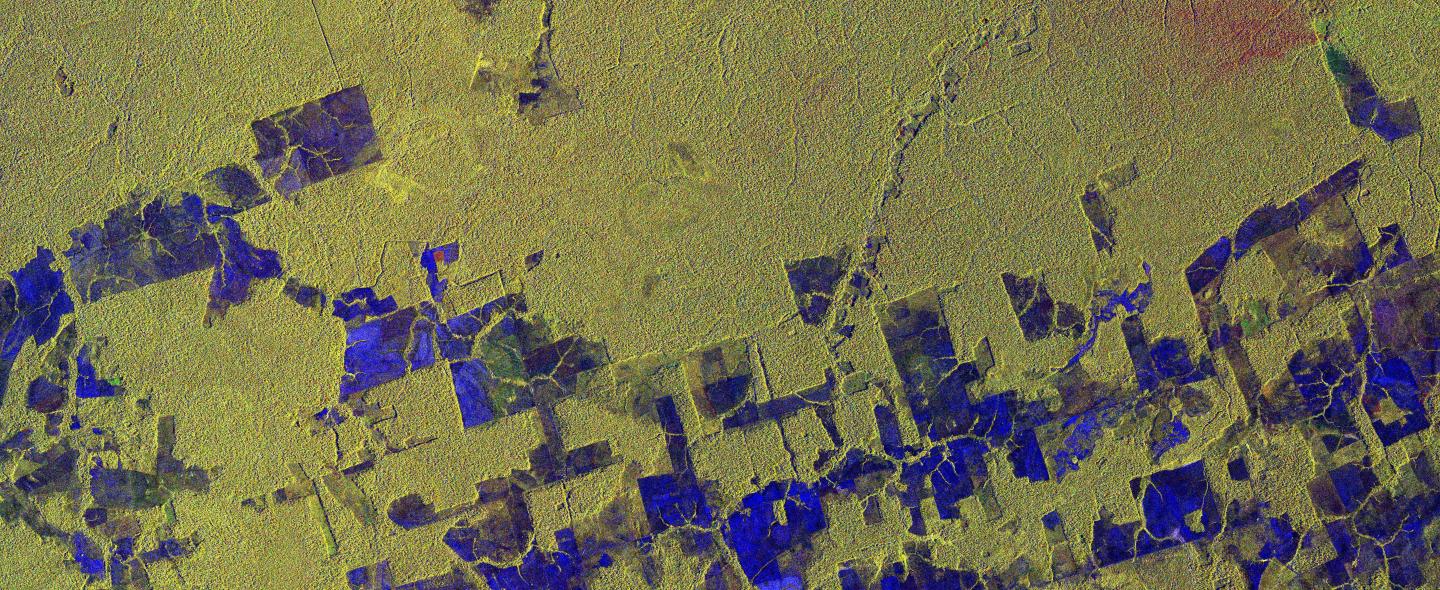
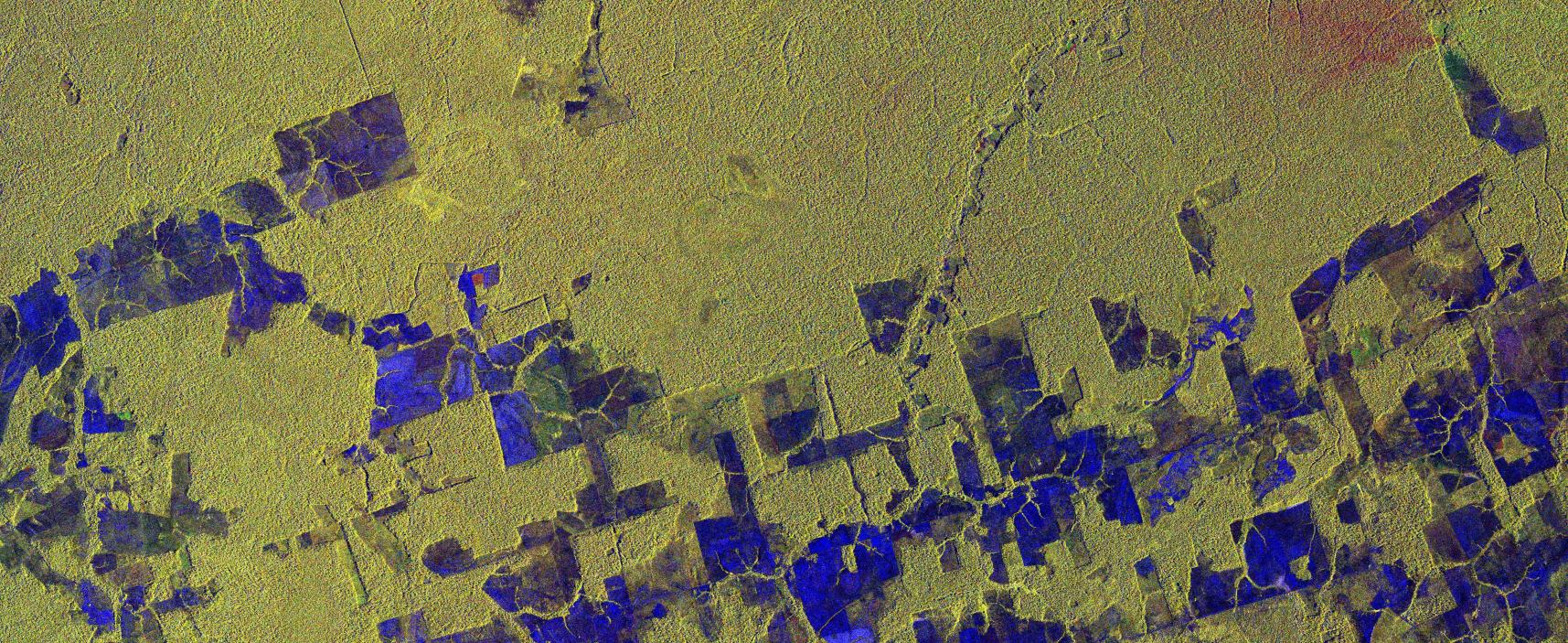
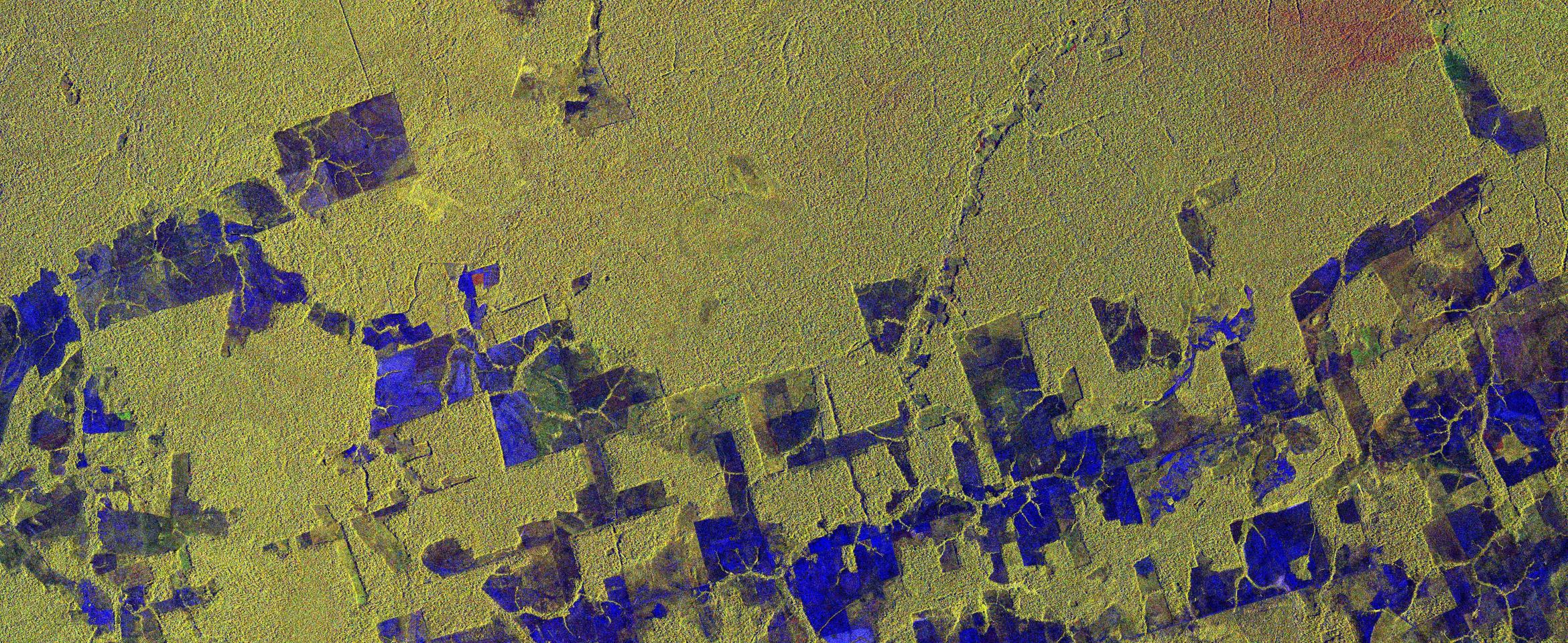
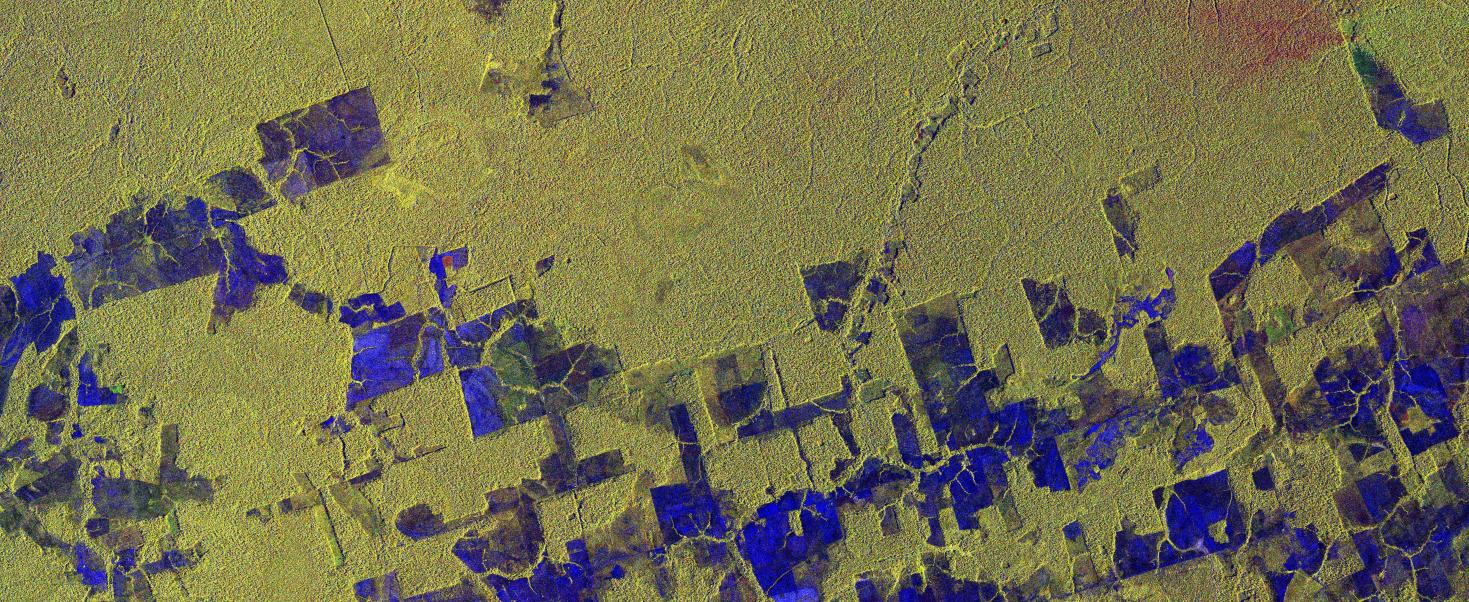
Telespazio Brasil is also active in the Earth observation sector, marketing on behalf of e-GEOS (a Telespazio/ASI company) the products of the COSMO-SkyMed radar satellite constellation (built by Thales Alenia Space), especially for the monitoring of the Amazon forest, agriculture, defence and security and oil & gas protection applications.

Other News & Stories

25.09.2026
Fucino Space Centre: from the first "ping" to the future of the Internet

Prof. Luciano Lenzini, a pioneer in bringing the Internet to Italy, met with Telespazio engineers and technicians at the Fucino Space Centre, through which the first Internet link between Italy and the United States passed 40 years ago.

21.09.2026
Connectivity: results of the satellite trial in Lombardy presented in Milan

Connecting entire villages to the national network through an infrastructure that combines satellite, fiber and wireless connections, in order to bring quality digital services even to the hardest-to-reach areas. This is the goal of the trial carried out in Lombardy, whose preliminary results were presented at the Milan office of the Department for Digital Transformation. Telespazio took part in the initiative by developing a proprietary backhauling solution that aggregates multiple satellite links.

15.09.2026
FLEX and Sentinel-3C in Orbit: Leonardo and Telespazio's Contribution to ESA's Earth Observation Missions

On September 15th 2026, at 03:21 Italian time, the FLEX and Copernicus Sentinel-3C satellites of the European Space Agency (ESA) successfully launched from Europe's Spaceport in Kourou, French Guiana. Both travelled aboard the same launcher, Avio's Vega-C, and are now flying in tandem orbit, spaced roughly ten seconds apart, at an altitude of around 800 kilometres.

28.08.2026
MTG-I2 successfully launched: Telespazio acquired the first signal from the third Meteosat Third Generation satellite from the Fucino Space Centre

MTG-I2, the third Meteosat Third Generation satellite from ESA and EUMETSAT, lifted off yesterday, 27 August, at 20:11 UTC from the Kourou spaceport in French Guiana, aboard an Arianespace Ariane 6 launcher. About 25 minutes after launch, Telespazio's Fucino Space Centre — a Leonardo Group subsidiary — acquired the satellite's first signal, officially marking the start of the LEOP (Launch and Early Orbit Phase), which will last twelve days.

25.09.2026
Fucino Space Centre: from the first "ping" to the future of the Internet

Prof. Luciano Lenzini, a pioneer in bringing the Internet to Italy, met with Telespazio engineers and technicians at the Fucino Space Centre, through which the first Internet link between Italy and the United States passed 40 years ago.

21.09.2026
Connectivity: results of the satellite trial in Lombardy presented in Milan

Connecting entire villages to the national network through an infrastructure that combines satellite, fiber and wireless connections, in order to bring quality digital services even to the hardest-to-reach areas. This is the goal of the trial carried out in Lombardy, whose preliminary results were presented at the Milan office of the Department for Digital Transformation. Telespazio took part in the initiative by developing a proprietary backhauling solution that aggregates multiple satellite links.

15.09.2026
FLEX and Sentinel-3C in Orbit: Leonardo and Telespazio's Contribution to ESA's Earth Observation Missions

On September 15th 2026, at 03:21 Italian time, the FLEX and Copernicus Sentinel-3C satellites of the European Space Agency (ESA) successfully launched from Europe's Spaceport in Kourou, French Guiana. Both travelled aboard the same launcher, Avio's Vega-C, and are now flying in tandem orbit, spaced roughly ten seconds apart, at an altitude of around 800 kilometres.

28.08.2026
MTG-I2 successfully launched: Telespazio acquired the first signal from the third Meteosat Third Generation satellite from the Fucino Space Centre

MTG-I2, the third Meteosat Third Generation satellite from ESA and EUMETSAT, lifted off yesterday, 27 August, at 20:11 UTC from the Kourou spaceport in French Guiana, aboard an Arianespace Ariane 6 launcher. About 25 minutes after launch, Telespazio's Fucino Space Centre — a Leonardo Group subsidiary — acquired the satellite's first signal, officially marking the start of the LEOP (Launch and Early Orbit Phase), which will last twelve days.